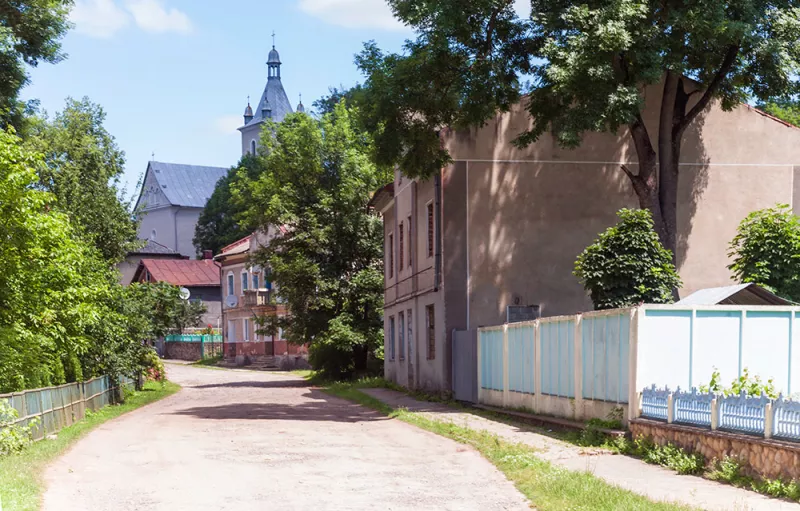

"Ukraine Incognita" has repeatedly told about the impressive village of Yazlovets, located in Ternopil region. This town was once famous, as its merchants could compete even with Lviv's trade!
Source: Ukraine Incognita
Indeed! Considering that Yazlovets held a favorable position on the popular trans-European route "Via Regia" (Royal Road), it rapidly developed and became increasingly prosperous. In 1461, Lviv merchants desperately complained to King Casimir IV Jagiellon that fairs in privately owned Yazlovets seriously harmed the economy of Lviv and, accordingly, the royal budget.
The decline of the town began during the Turkish aggression and was further exacerbated during the "Austrian oppression." The final blow to Yazlovets came when the Russian army destroyed it with heavy bombers "Illya Muromets" in May 1916. In Russian reports, this horrific attack on the peaceful population was characterized as: "the obstruction of fires along the only convenient route for the transport of Austrian reserves."
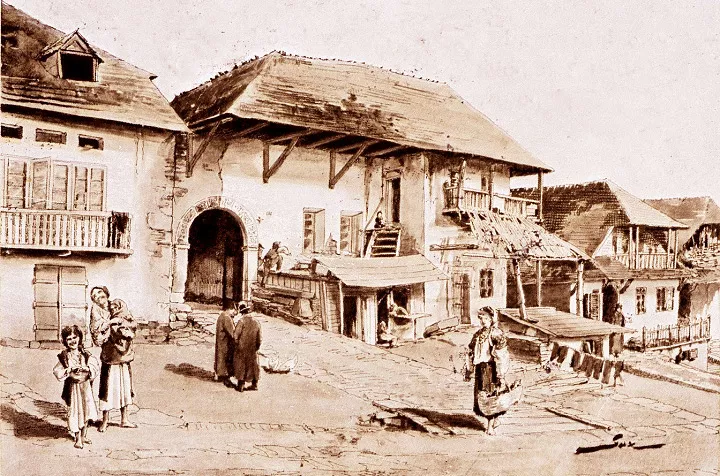
- Yazlovets before the bombing. The Jewish shtetl still shows Armenian features, particularly the framing of the passages.
These destructions left Yazlovets unable to recover.
The Russian troops, as known, destroyed the entire Renaissance architectural heritage of the town, which was famed for its impressive carvings of windows, gates, and doors. These were works by Armenian masters who were captivated by such architectural details. And there were many Armenians in Yazlovets. In the early 17th century, this town became the "Armenian capital" of Podolia since it housed the archbishop's headquarters.
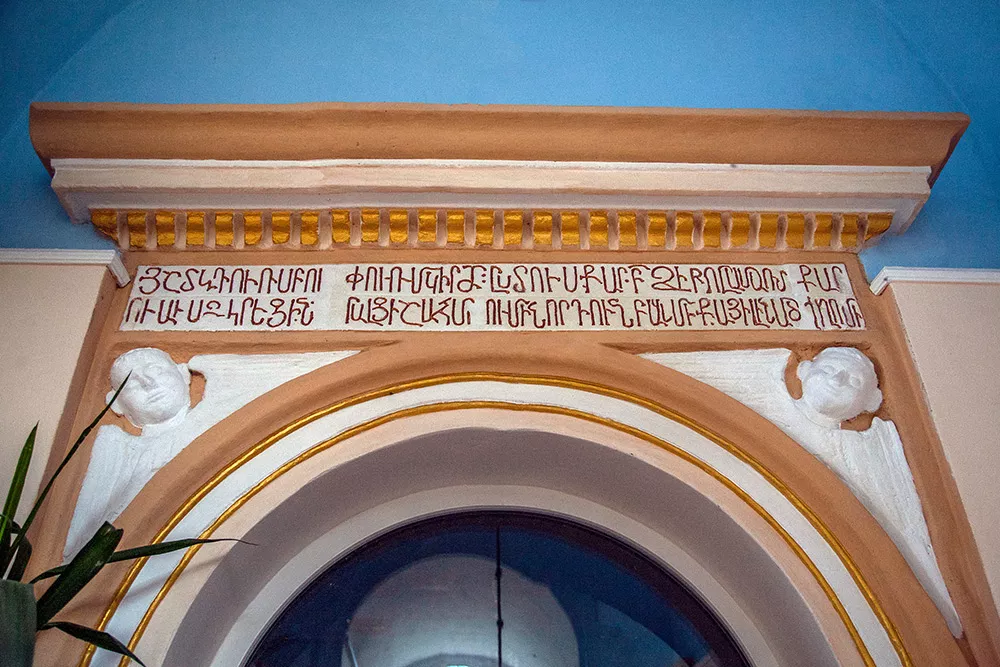
Today, from the Armenian heritage in the former town, only the Church of Surb Nikoghayos (now the Church of St. Nicholas, Ukrainian Greek Catholic Church) remains, built back in 1551. In the "New" (lower) part of the castle, from the inner side, one can also see another Armenian relic — decorative framing of the gate that originally adorned the Renaissance Armenian stone house destroyed by the Russians. In the 1920s, it was removed from the ruins and relocated elsewhere. Unfortunately, the other carved beauties for which the city was known have remained in the past.
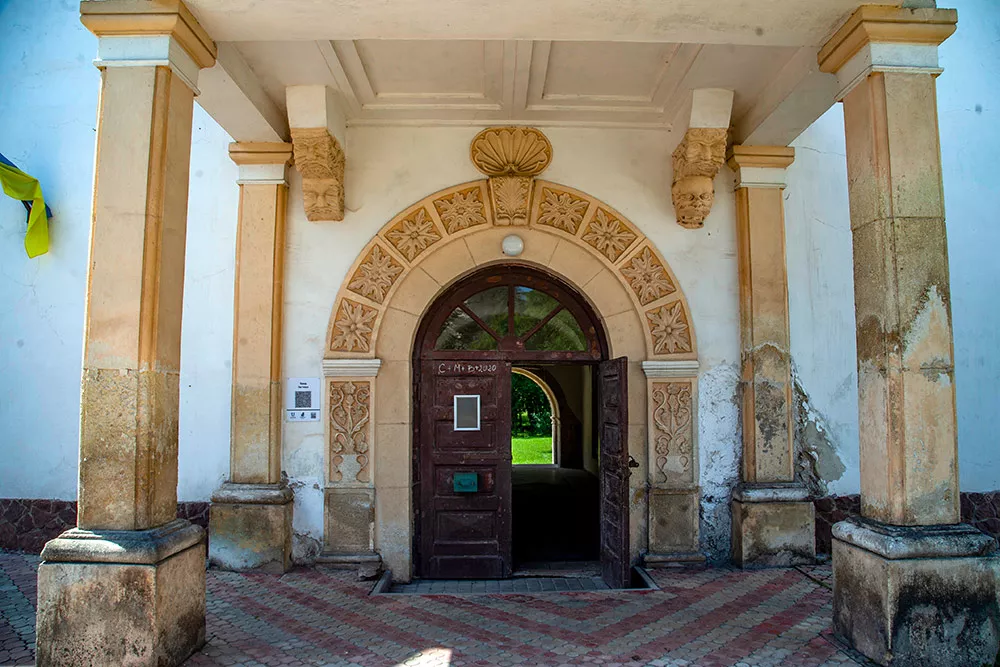
- Translocated decoration of the Armenian stone house in the castle
Few know that there is another unique Armenian relic in Yazlovets. We particularly emphasize: the term "unique" is not just an exaggeration, but a fact. This monument is one of the least known. Even the numerous tourists who have been visiting this region lately are unaware of it, not to mention most of the locals.
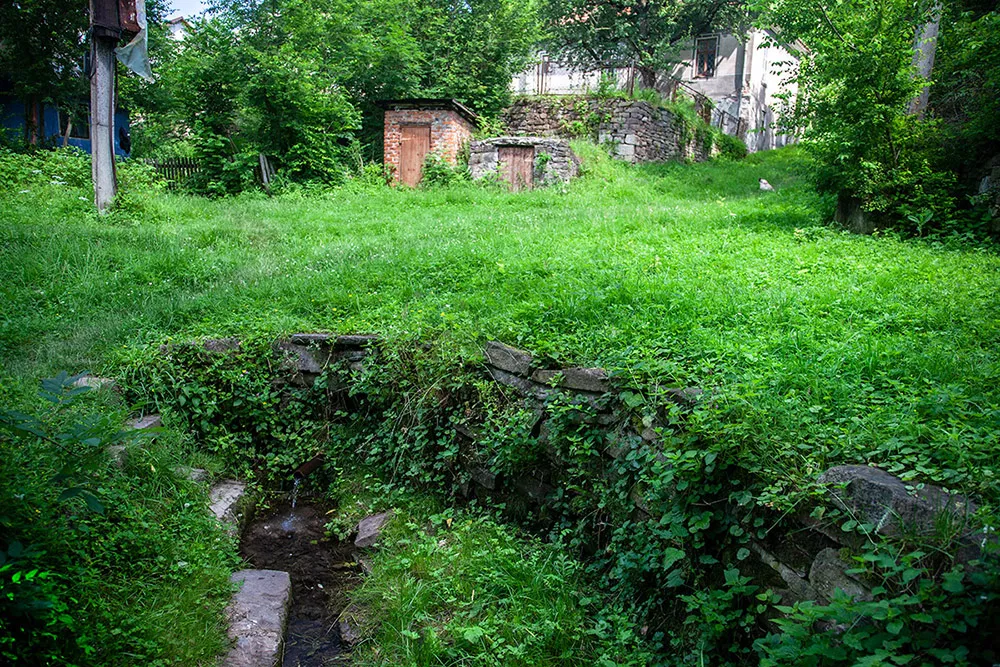
- Armenian well
Not far from the former Armenian church, one can discover the "Armenian well." Externally, it is a traditional source, which in Podolia is called "tsyurkach" — a low stone wall with an iron pipe from which water flows. In fact, it is quite a complex hydraulic structure erected by industrious Armenians back in the 17th century. The entire main structure is hidden from human eyes. Specifically, before the water reaches the pipe, it accumulates in a large underground reservoir, which it enters from a powerful spring concealed in a small brick building that externally resembles the entrance to a village cellar. The doors are locked — what is inside is known only to a few.
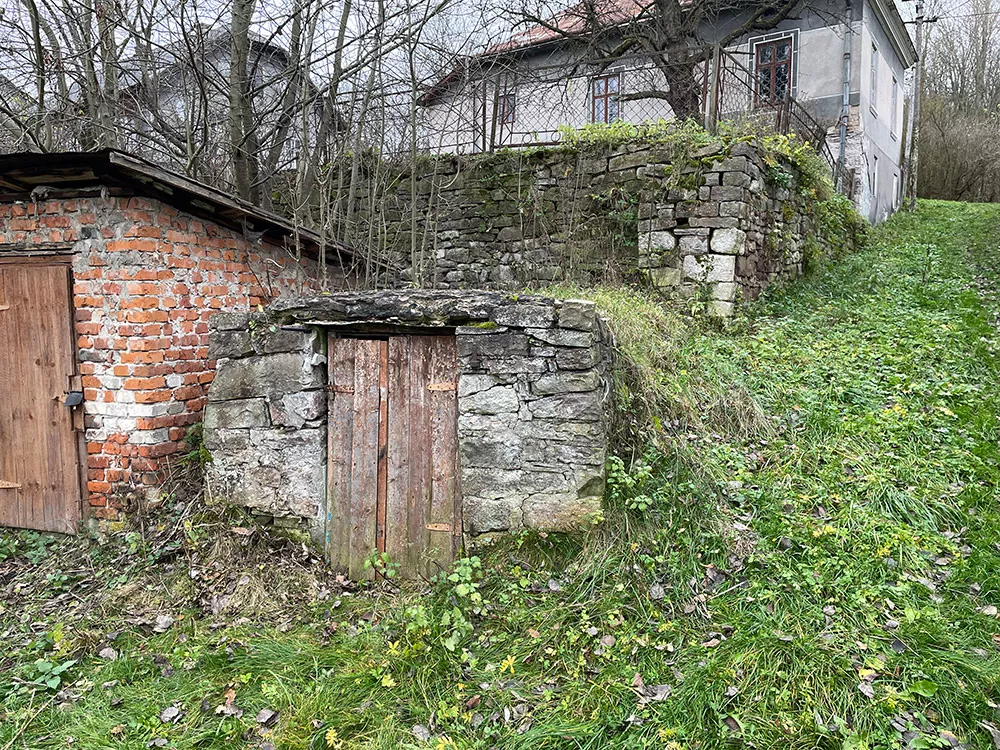
- Hidden spring. Nearby is a pump booth from which water was delivered to the school.
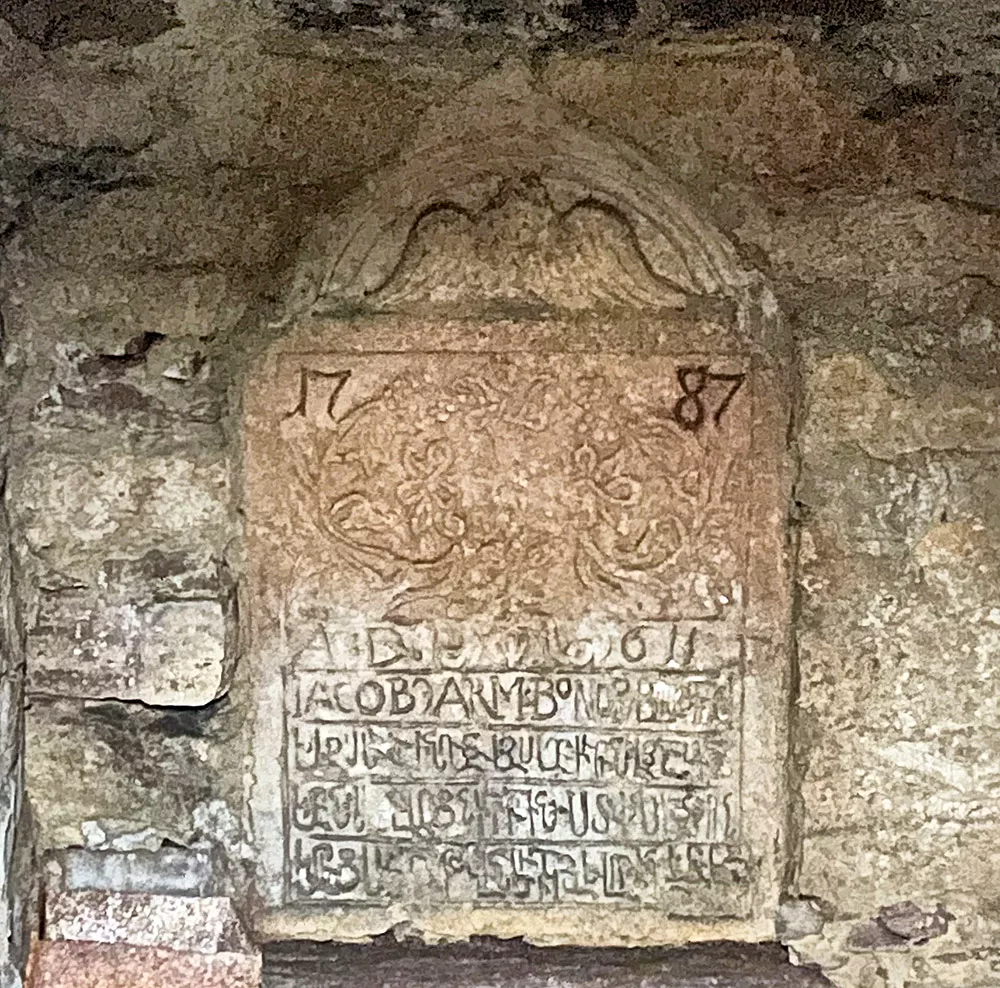
If someone is lucky enough to get inside, they can see a carved stone slab with inscriptions made in Latin and Armenian languages. This was documented by expeditions of the team of the NGO "Ukraine Incognita."
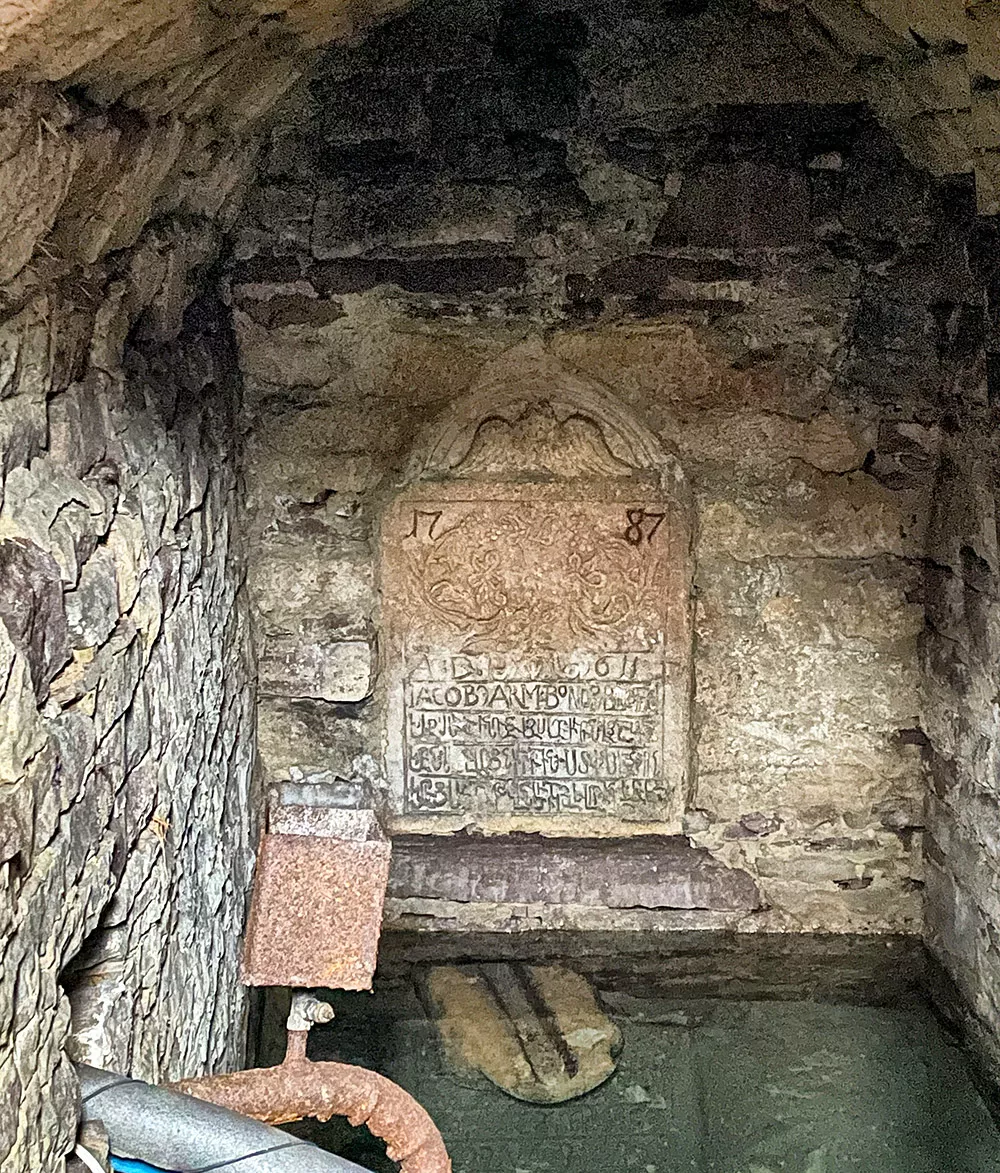
The upper part of the slab is adorned with an eagle (or dove?) with outstretched wings, under which a cross is depicted, framed with intricate plant decor. Following is a Latin inscription: "Armenian Akop built this for the good of society in 1611."
Below, already in Armenian: "This cross and the source built are the works of Akop and his brother Stepan. Completed on the Armenian calendar year 1000 and 60. Abram [stone carving master] performed with devotion." The date 1787 is the year of another reconstruction.
Interestingly, structurally, this slab closely resembles the tombstone of the famous Polish composer Mikolaj Gomulka (1535–1609), which is embedded in the wall of the nearby church of the Assumption of the Blessed Virgin Mary (1590). Most likely, the tombstone was also crafted by Armenian masters.
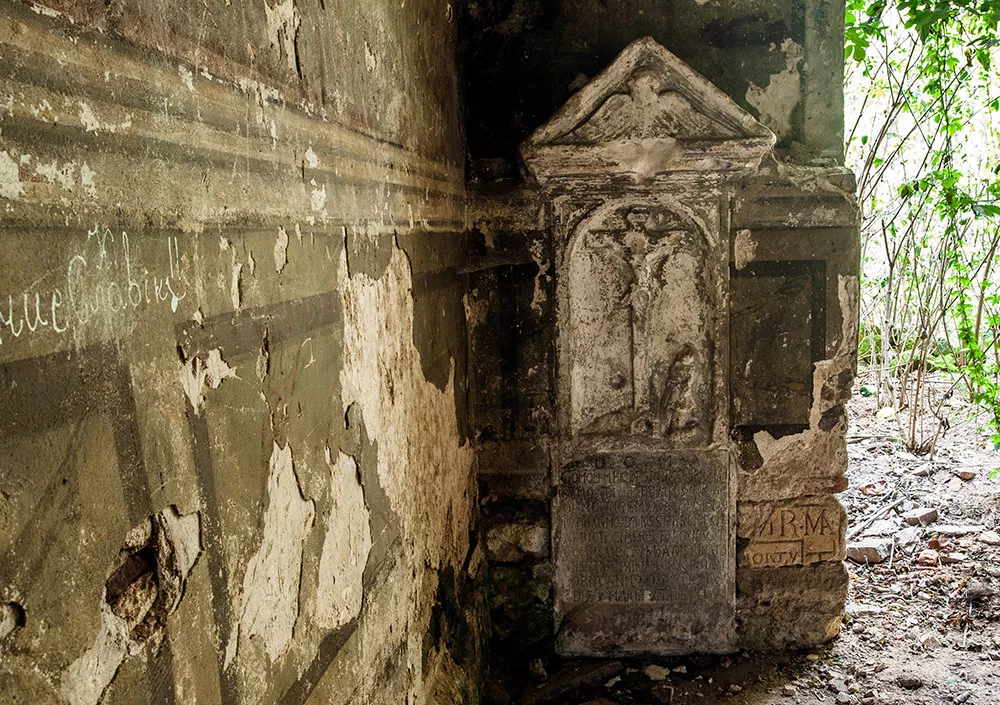
- Tombstone of composer Mikolaj Gomulka
In general, researchers believe that the carvings of both the church and the gate of the "old" ("upper") castle are also the work of Yazlovets Armenian masters. At that time, they had no competitors in stonework.
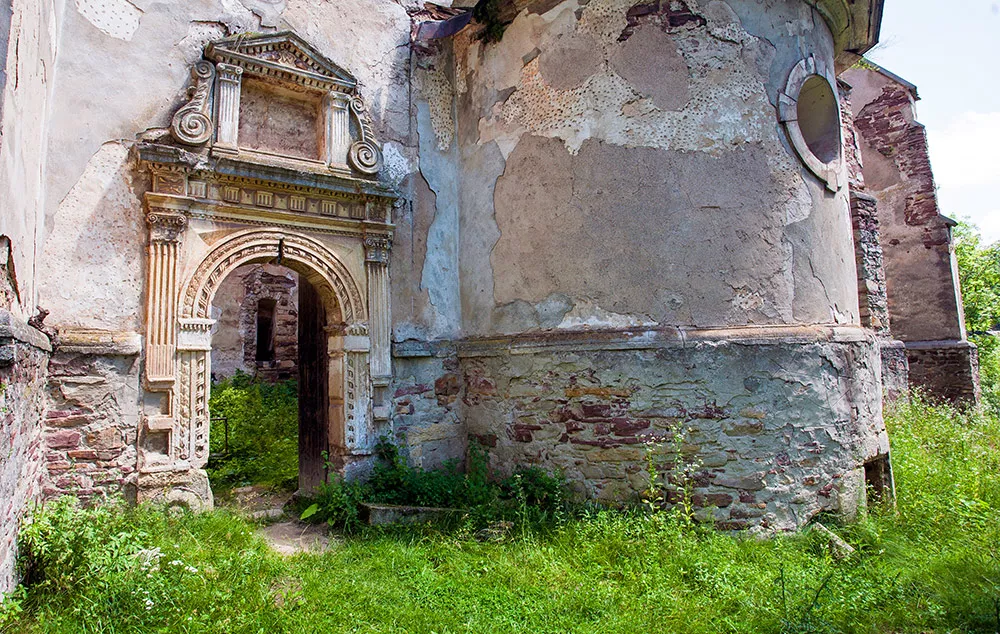
- Church. It is likely that this is also the work of Armenian masters.
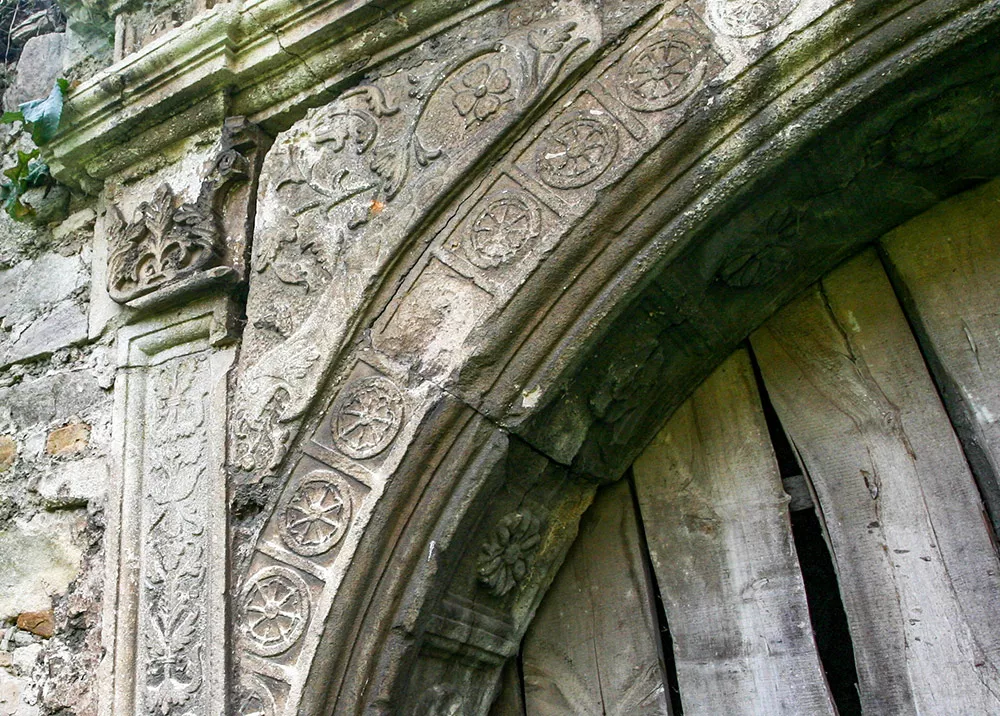
- Fragment of castle decoration
Text and photos from previous journeys: Dmytro Polyukhovych
Photo of the well and the slab: Roman Malenkov