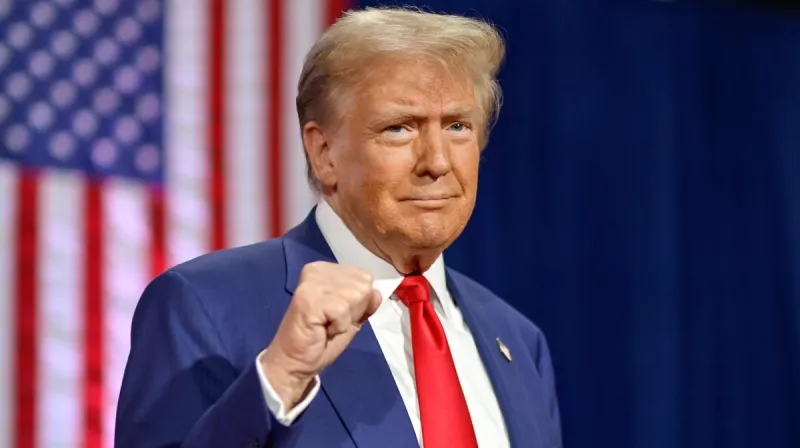

U.S. President Donald Trump announced a complete maritime blockade of Venezuela, affecting all tankers sanctioned by the United States. This decision was made in response to accusations against Nicolás Maduro's regime for stealing American property, including oil, and using it to fund terrorism and drug trafficking.
In his social media platform Truth Social, Trump declared: "Venezuela is completely surrounded by the largest army in South American history. It will only grow, and the shock for them will be like nothing they have ever felt — until they return to the United States all the oil, land, and other assets they previously stole from us."
Political Escalation
The decision affects tankers traveling to and from Venezuela. Last week, U.S. forces seized the tanker Skipper, which was transporting Venezuelan oil supposedly intended for discounted sale to China. Western experts warn that the blockade could deal a serious blow to Venezuela's economy, already in a critical state.
Officially, the Venezuelan government calls Trump's decision "absolutely irrational" and in violation of trade and maritime freedom. U.S. initiatives have also faced criticism from UN experts, who believe such actions could threaten human rights in the region.
Context
Relations between the United States and Venezuela have remained tense since 1999, when Hugo Chávez became Venezuela's president. Tensions increased after Nicolás Maduro became his successor in 2013. In 2019, the U.S. supported opposition leader Juan Guaidó, recognizing him as the country's interim president, which further deepened the conflict between the two nations.
Currently, Venezuela possesses the world's largest proven oil reserves, but U.S. sanctions significantly complicate exports for the country, which, despite restrictions, continues to sell oil to China.