
Comedian Nurlan Saburov, a popular stand-up comedian in Russia and host of the show "What Happened Next?", has been banned from entering Russia for 50 years. This became known from reports by the Telegram channels "Baza," "SHOT," and "Mash," as well as from information provided by RIA Novosti.
The ban, which was formalized on January 30, was dictated "in the interest of national security of the country, compliance with legislation, and protection of traditional spiritual and moral values," noted a source in law enforcement. The ban came into effect on February 6 when Saburov arrived at Moscow's Vnukovo Airport from the United Arab Emirates for a commercial shoot.
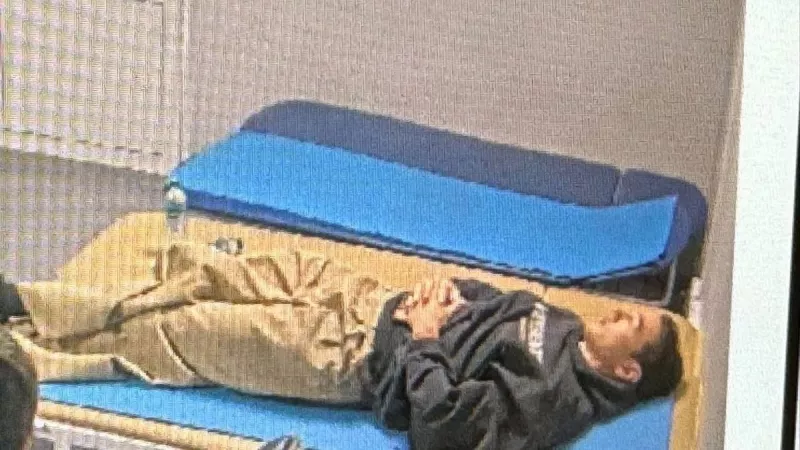
During passport control, Saburov was taken to a separate room, where he was handed a document regarding the entry ban. It was reported that this ban is not new for the artist - previously, in May 2025, he already had issues with Russian authorities due to violations of migration legislation.
Reasons for the Ban
According to Telegram channels, the main reason for the ban was his public statements about the war in Ukraine and his refusal to cooperate with the Federal Security Service (FSB).
There is information that Saburov was repeatedly summoned to FSB meetings, where he was offered a cooperation agreement. However, the comedian did not give a clear answer and tried to avoid cooperation. According to one of his acquaintances, he was later invited to discuss a contract for military service, which ultimately led to the entry ban.
Public Reaction
The news of the entry ban has sparked widespread resonance among the public, as Saburov is one of the most recognizable comedians in Russia, with a large fanbase. However, he has also faced criticism for humorous remarks that have been received ambivalently.
The comedian himself has yet to comment on the new situation. Meanwhile, social media is actively discussing the news, and footage is appearing that shows the moment of Saburov's detention at the airport.
This incident, along with previous problems, sharpens the issue of freedom of speech and the repression faced by artists in contemporary Russia.