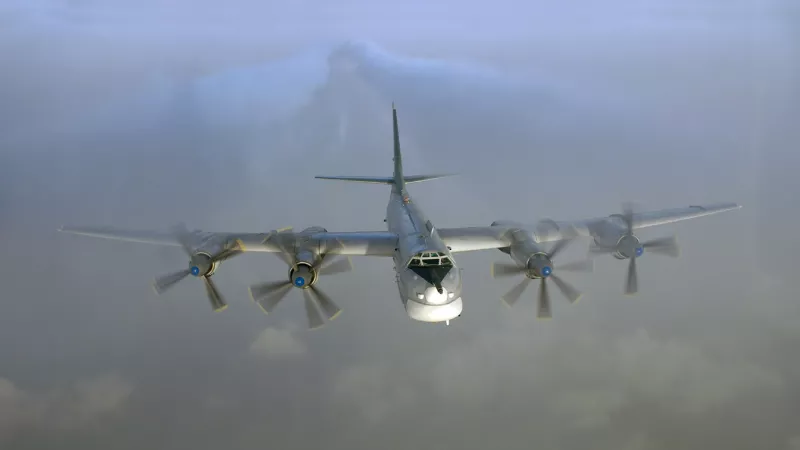

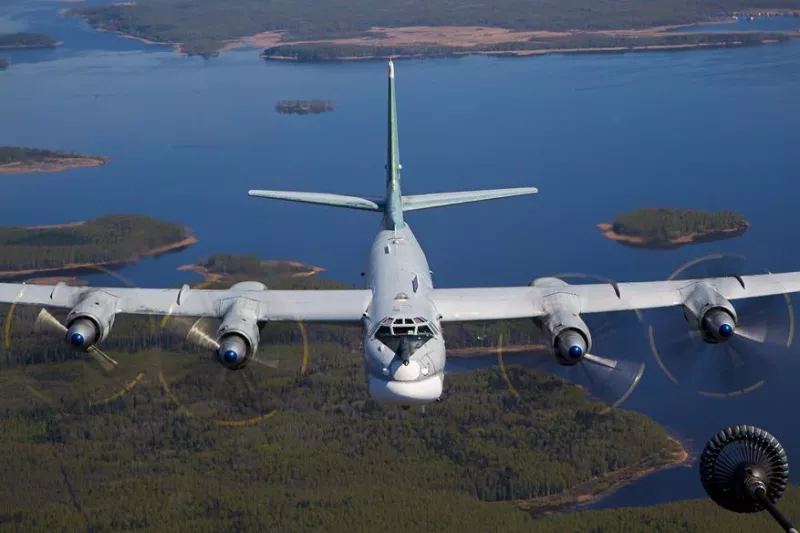
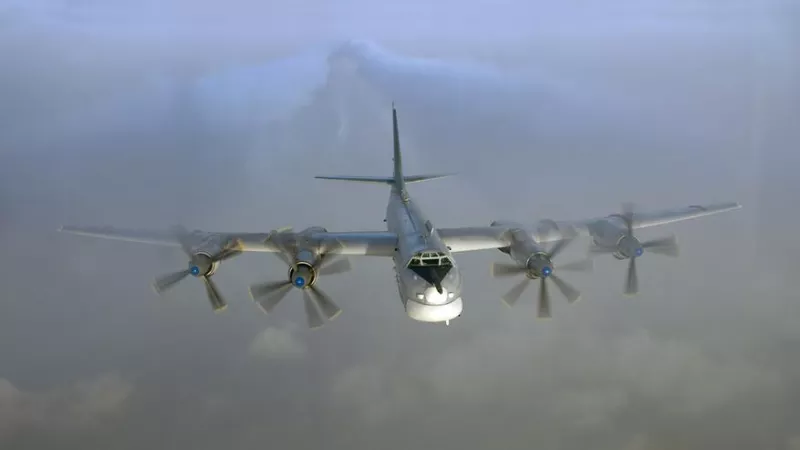
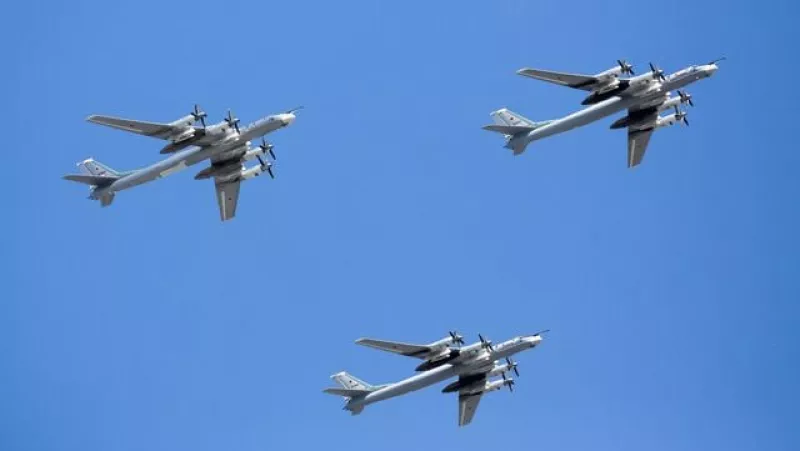
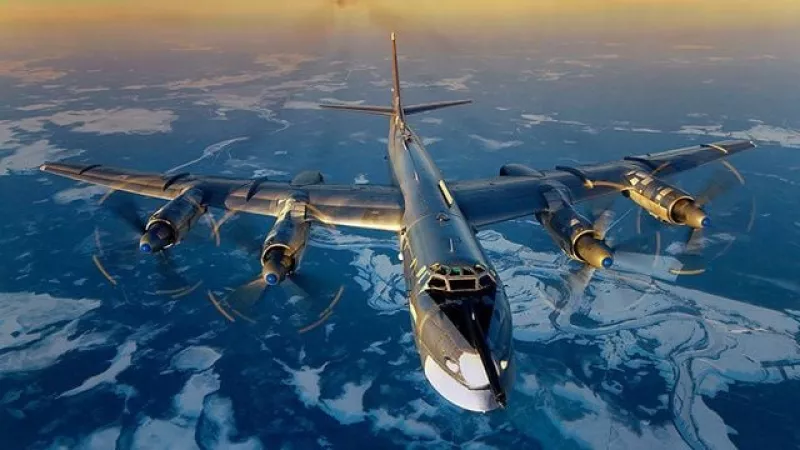
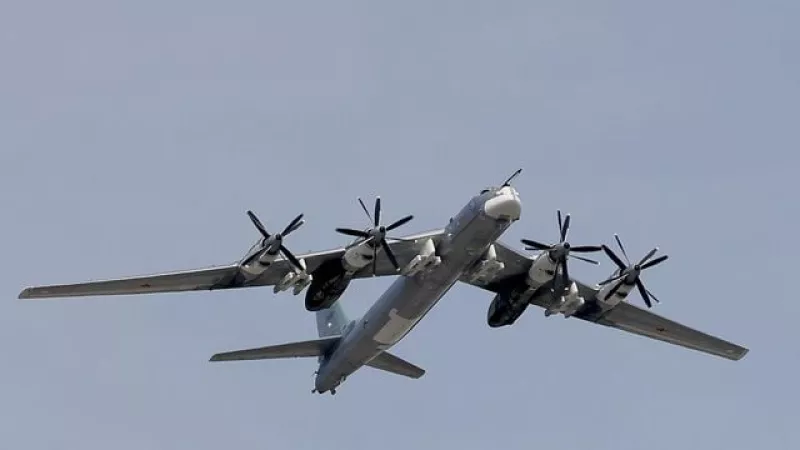

Today we will examine the strategic bomber "Tu-95," which continues to be actively used by the Russian military to bomb Ukrainian cities. This aircraft, developed in the 1950s, has long been considered a symbol of the Cold War.
History of the "Tu-95"
The "Tu-95" is a strategic bomber and missile carrier that was developed in the USSR in the 1950s amid international tensions and the necessity to have its own strategic intercontinental aircraft. The first serial samples began to be introduced into service in 1956, and since then the "Tu-95" has remained an important element of Russian aviation.
Technical specifications
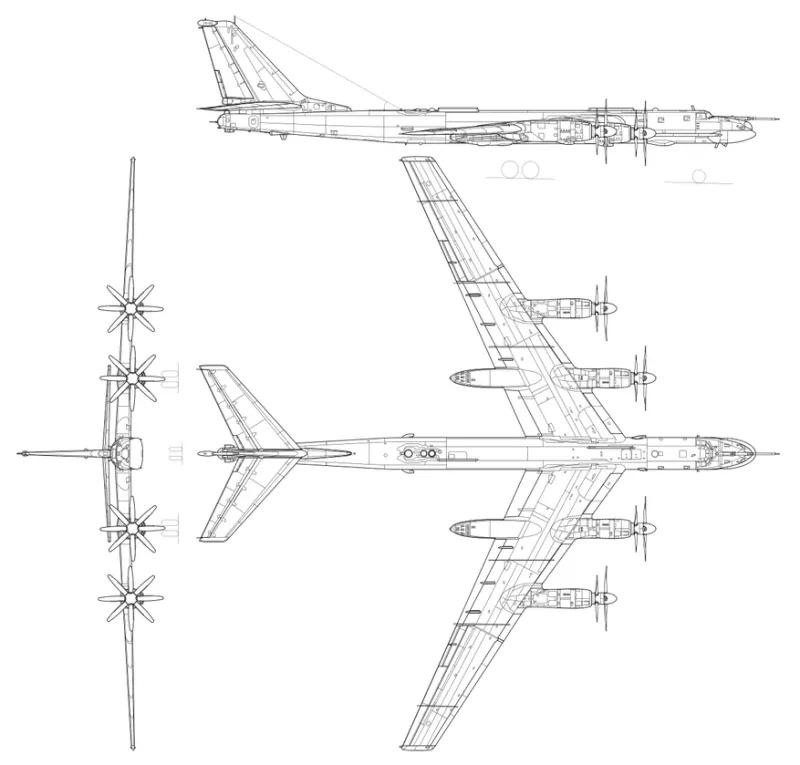
The bomber has the following key specifications:
- Length: 49 m
- Height: 13 m
- Wing area: 310 m2
- Maximum speed: 1,000 km/h
- Range: 15,000 km
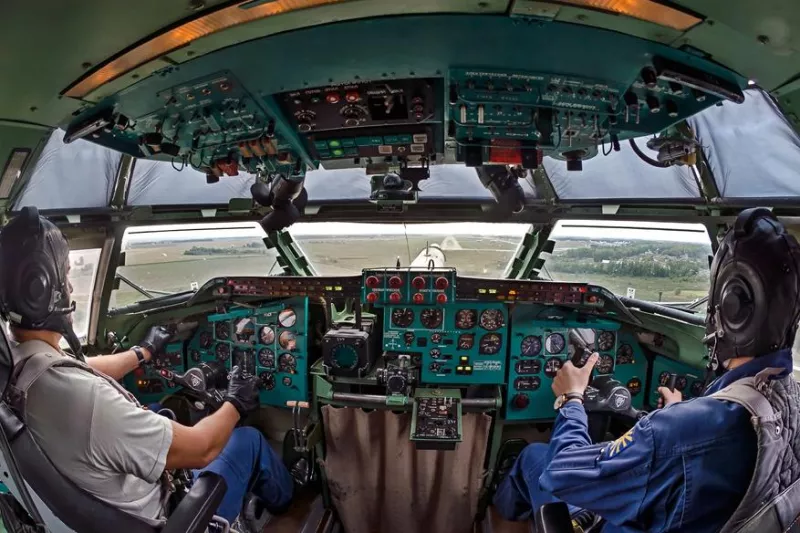
- Crew: 7 people
The "Tu-95" is equipped with powerful NK-12 turboprop engines, which, according to experts, despite their age-old design, remain effective, but do not meet modern requirements. The Russian side claims that these engines are the most powerful in the world, but in practice, this raises certain doubts.
Use in the conflict with Ukraine
Since the beginning of the war between Russia and Ukraine, the "Tu-95" has become a primary tool for carrying out bombing strikes. On March 11, 2022, for instance, six "Tu-95MS" bombers launched ten cruise missiles into Ukrainian territory, specifically targeting Dnipro and Ivano-Frankivsk.
Analyzing the cases of usage, it is evident that the "Tu-95" is often used to attack strategic targets in the enemy's rear, utilizing various missile modifications such as X-55, X-101, and X-555.
According to information from Ukrainian military sources, on the night of March 9, 2023, "Tu-95" bombers carried out a massive missile strike on critical infrastructure in Ukraine, as a result of which Ukrainian air defense forces shot down many of these missiles.
The future of the "Tu-95"
Although the "Tu-95" remains in service, it faces new challenges in the context of modern combat operations. Currently, modifications of this bomber continue to be improved, but their use faces justified criticism due to the obsolescence of technical solutions. Experts note that even today, this aircraft fulfills its role in Russian military doctrine, despite its advanced age.
Today, the "Tu-95" remains an important subject for observation, confirming its historical and strategic significance in the modern world.