
Russia used warships and submarines carrying cruise missiles to attack Ukraine only once in August — during the night of August 20. By comparison, this tactic was used three times in July.
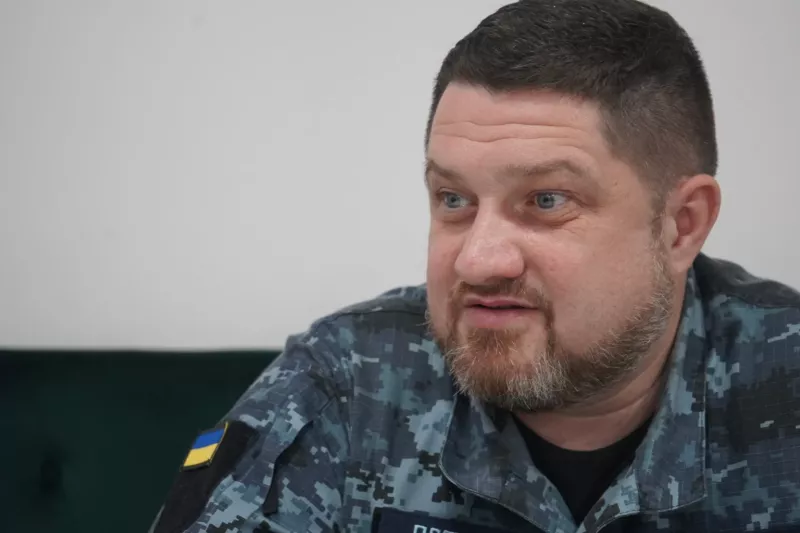
This was reported by Ukrainian Navy spokesman Dmytro Pletenchuk during a television broadcast. According to him, the current situation is notable because Russian missile carriers are largely avoiding open waters, with missile launches being carried out from areas where the vessels are based.
How many missile carriers does Russia have left?
After the damage to two Russian frigates — the Admiral Essen and Admiral Makarov — the Russian Black Sea Fleet's ability to launch cruise missiles from naval platforms has been reduced.
According to Pletenchuk, Russia currently has three surface ships capable of carrying cruise missiles and two submarines capable of launching such weapons.
The Admiral Essen and Admiral Makarov were among Russia's key cruise-missile carriers in the Black Sea. Reports following the August 12 strike on the naval base in Novorossiysk indicated that both vessels were damaged. Satellite imagery and OSINT analysis pointed to damage around their missile-launching systems, although the exact extent of the damage and the vessels' potential repair timelines remain subject to assessment.
Russia's naval capabilities have been weakened
The reduction in the number of available missile carriers may affect how Russia plans and conducts missile attacks against Ukraine. However, this does not mean that the missile threat has disappeared. Russia continues to use various types of missiles and other weapons against Ukrainian targets.
Pletenchuk also reported that on August 17, Ukrainian forces destroyed three Russian naval drones. This was another blow to Russia's ability to operate in the Black Sea.
Thus, following a series of strikes against Russian naval facilities in Novorossiysk and damage to several missile carriers, Moscow has been using its naval platforms for missile attacks against Ukraine less frequently. However, as the attack on August 20 demonstrated, the maritime missile threat remains active.