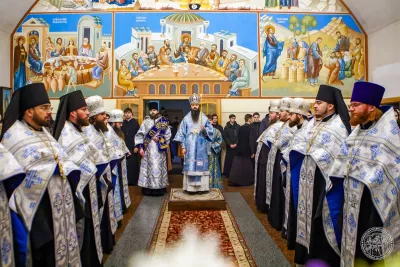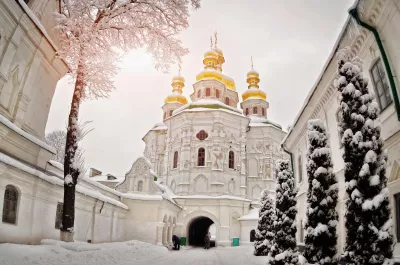


Today, December 4, the Orthodox calendar commemorates the memory of St. Barbara the Great Martyr. This day holds special significance for believers and is accompanied by a number of folk customs and traditions.
The History of St. Barbara
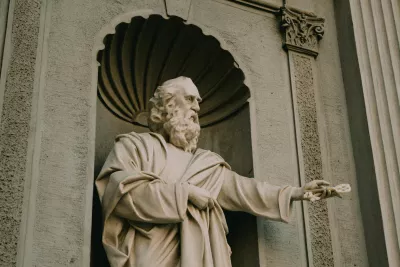
Saint Barbara lived in the 3rd-4th centuries in the city of Nicomedia (modern-day Turkey). Her father, a pagan named Dioscorus, tried to isolate his daughter from the influence of Christianity, but Barbara sought to embrace the faith from a young age. She was secretly baptized and refused to renounce her faith, even under the threat of deadly torture.
As a result of her difficult fate, St. Barbara faced tragedy: her own father became her torturer and, according to legend, suffered punishment from God in the form of a lightning strike after her death.
Folk Customs on December 4
- Clear skies – a sign of a frosty winter.
- Fog – a sign of thawing or rain.
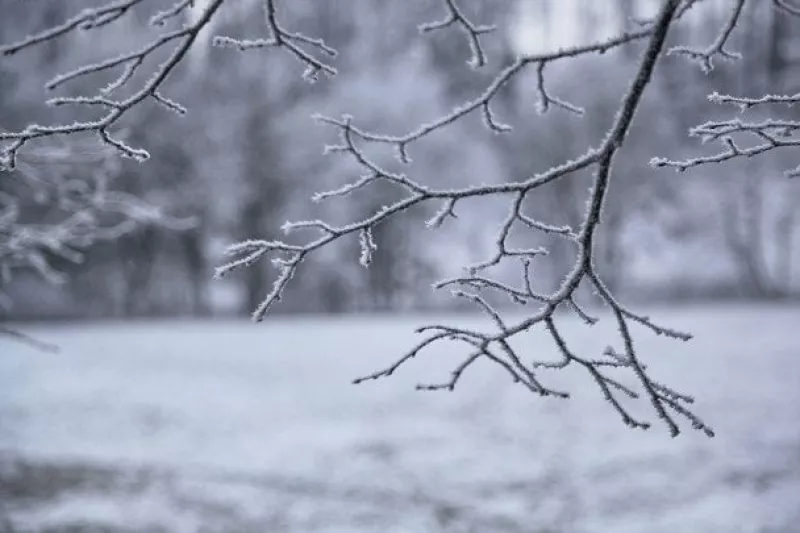
- Snow or frost on trees – a sign of an early and severe winter.
What Not to Do on December 4
Barbara, in particular, is the patroness of women, and there are certain restrictions on her day. Specifically:
- It is not advisable to argue with mothers-in-law.
- Men are strictly prohibited from quarreling with their wives – this may lead to physical ailments.
- Crafting is not recommended – there is a risk of injury.
What You Can Do on This Day
Barbara is asked for the gift of childbirth and for the protection of children from diseases. The saint is also considered a talisman against sudden death. On this day, believers turn to Barbara with prayers for peace and harmony in the family.
Thus, St. Barbara's Day is filled not only with religious meaning but also with folk traditions that help maintain harmony in families and prepare for the winter season.