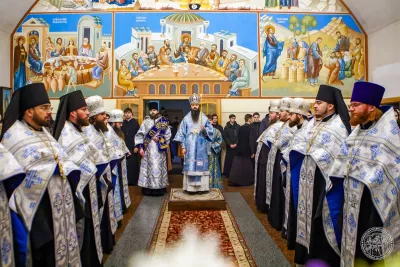




Today, December 4, Orthodox Christians honor the memory of Saint Barbara the Great Martyr of Heliopolis, who is considered the patron saint of women and children. This feast day holds special significance as it is accompanied by numerous traditions, signs, and prohibitions.
History of the Feast
Saint Barbara lived in the 3rd century in the Phoenician city of Heliopolis (modern-day Lebanon). She accepted Christianity and faced persecution from her father, who was a pagan. Barbara became a martyr by maintaining her faith until the end, for which she was executed. According to legend, God punished her father with lightning.
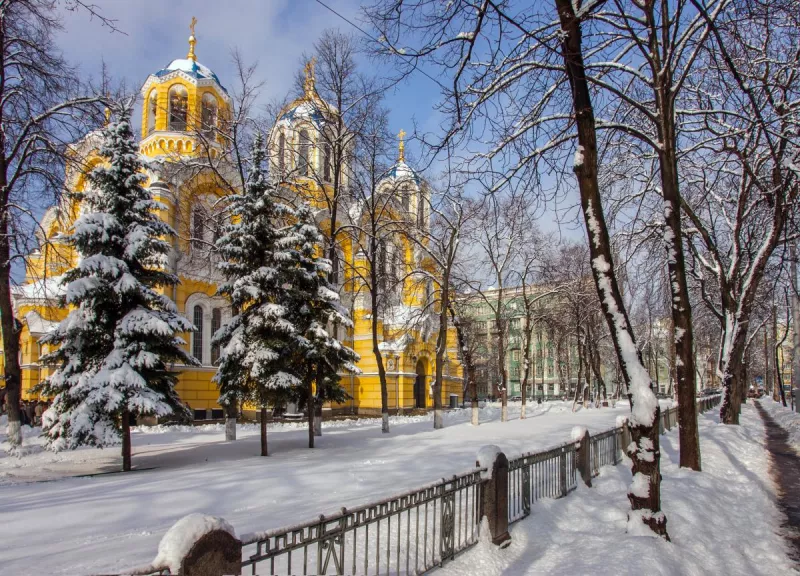
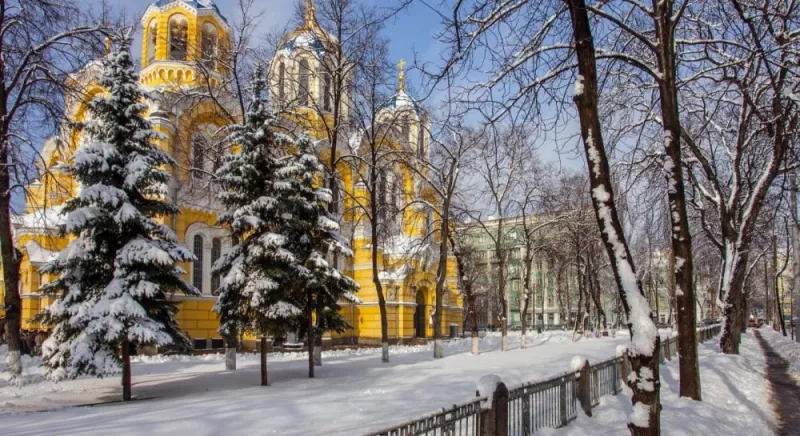
The relics of Saint Barbara are venerated in Ukraine, especially in the Vladimir Cathedral in Kyiv. This feast is considered a women's day, and traditionally, prayers are offered to the saint for the health and protection of pregnant women.
Traditions and Customs
On Barbara's Day, women gather for communal gatherings, engaging in light handicrafts, while men are advised to refrain from quarrels and gossip. Traditionally, on this day, they prepare dumplings with poppy seeds.
- It is forbidden to engage in heavy physical labor: digging, washing, sewing;
- One must not gossip, quarrel, or lend food from home;
- Men are prohibited from raising their voices at their wives, which is considered a sign of disrespect.
Signs on December 4
Our ancestors paid attention to the weather phenomena of this day, as signs were deemed important for predicting the winter:
- If snow has fallen and lies on the ground, next year will have a good harvest;
- A strong frost on this day promises a hot summer;
- Fog or a frosty morning indicates a long winter.
Saint Barbara reminds us of the importance of peace and love in the family, as well as the prohibitions to be observed on this special day to ensure happiness and well-being for ourselves and our loved ones.