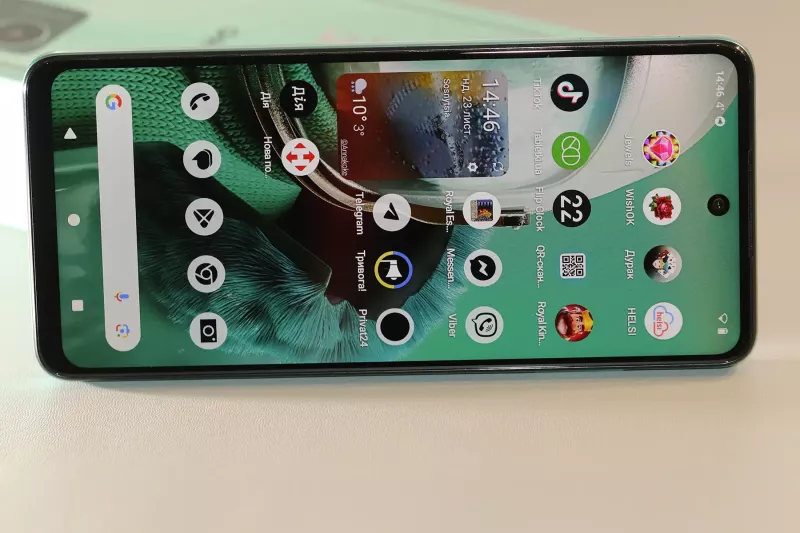

Our impressions of getting acquainted with an affordable model from a well-known Finnish manufacturer. A large 90Hz display, 6GB of RAM, support for fast charging, as well as the ability to disassemble and partially replace some components independently if needed. We will discuss what this is about and what else makes this model interesting in this review.
Package and Contents
- HMD Pulse Pro smartphone;
- USB-C cable;
- User and warranty documentation;
- SIM card/memory card access tool.
Everything mentioned comes in a compact modular cardboard box – a box and lid with noticeable edges. The walls feature a detailed illustration of the product, as well as information about the manufacturer and some key specifications of the HMD Pulse Pro.
Source: TechnoGuide
Key Specifications of HMD Pulse Pro
- Dimensions – 163.19 x 75.02 x 8.55 mm;
- Weight – 196 g;
- Display – 6.56 inches, HD+ (1612×720 pixels), 90Hz;
- Processor – Unisoc T606; RAM – 6 GB;
- Battery capacity – 5000 mAh, fast charging – 20W;
- Communications – 11 a/b/g/n/ac, GPS/AGPS/Galileo, Bluetooth, NFC;
- Cameras:
– Main – 50MP+2MP, Super Night + Tripod Mode, FlashShot, AI HDR, Skin tone optimization, Selfie Gestures, Night Selfie + AI Super portrait, Selfie slo-mo;
– Front – 50 MP.
Design of the Model
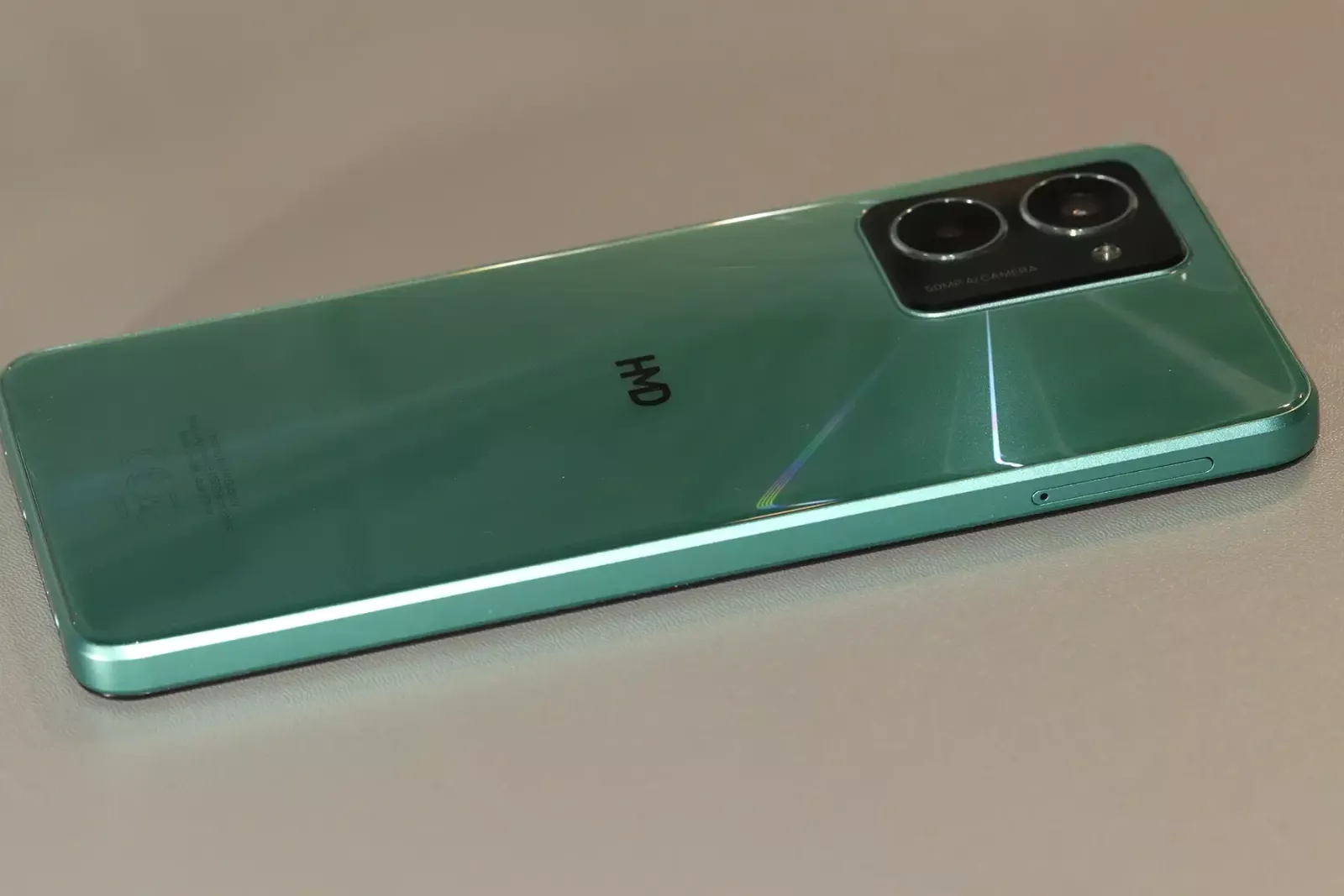
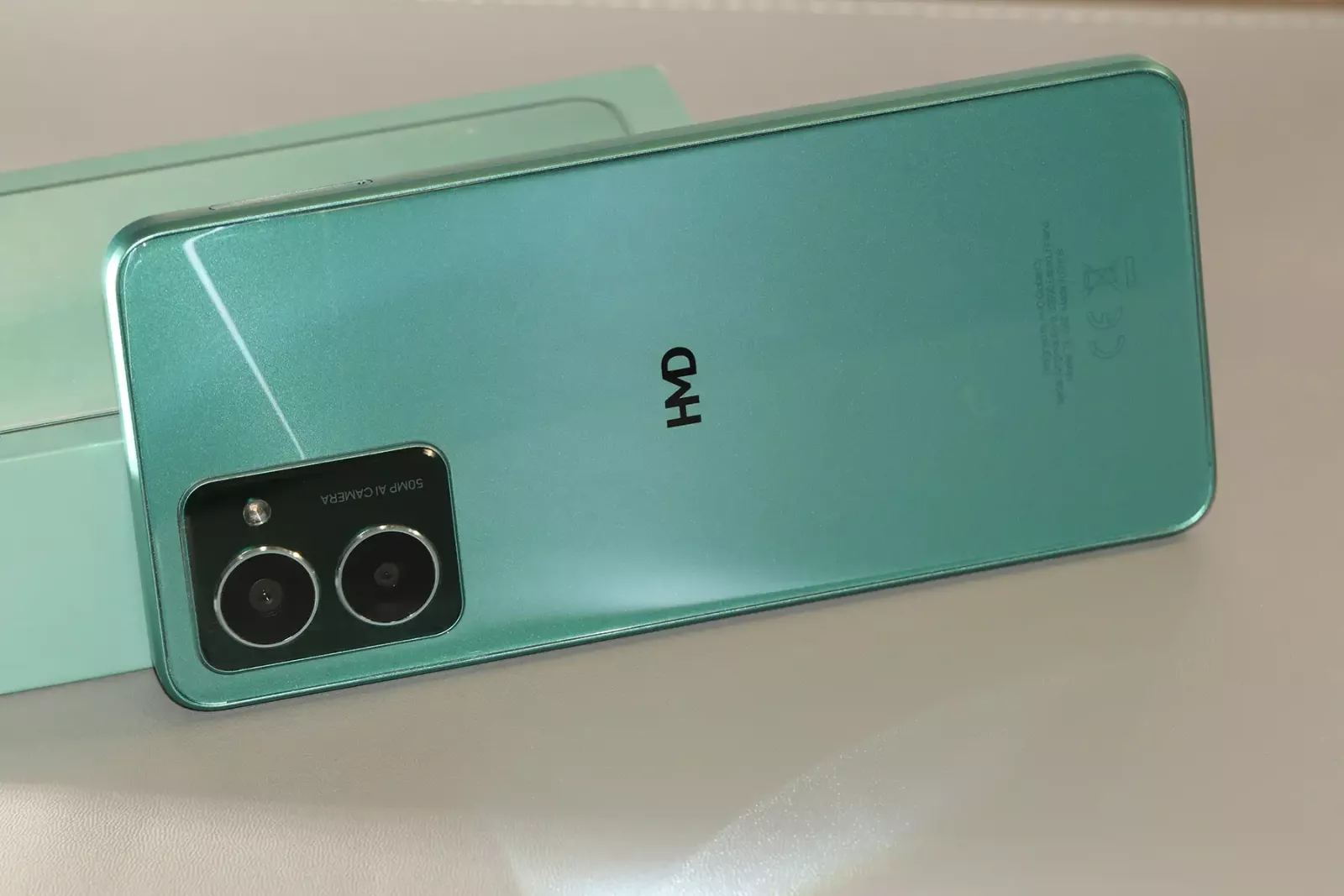
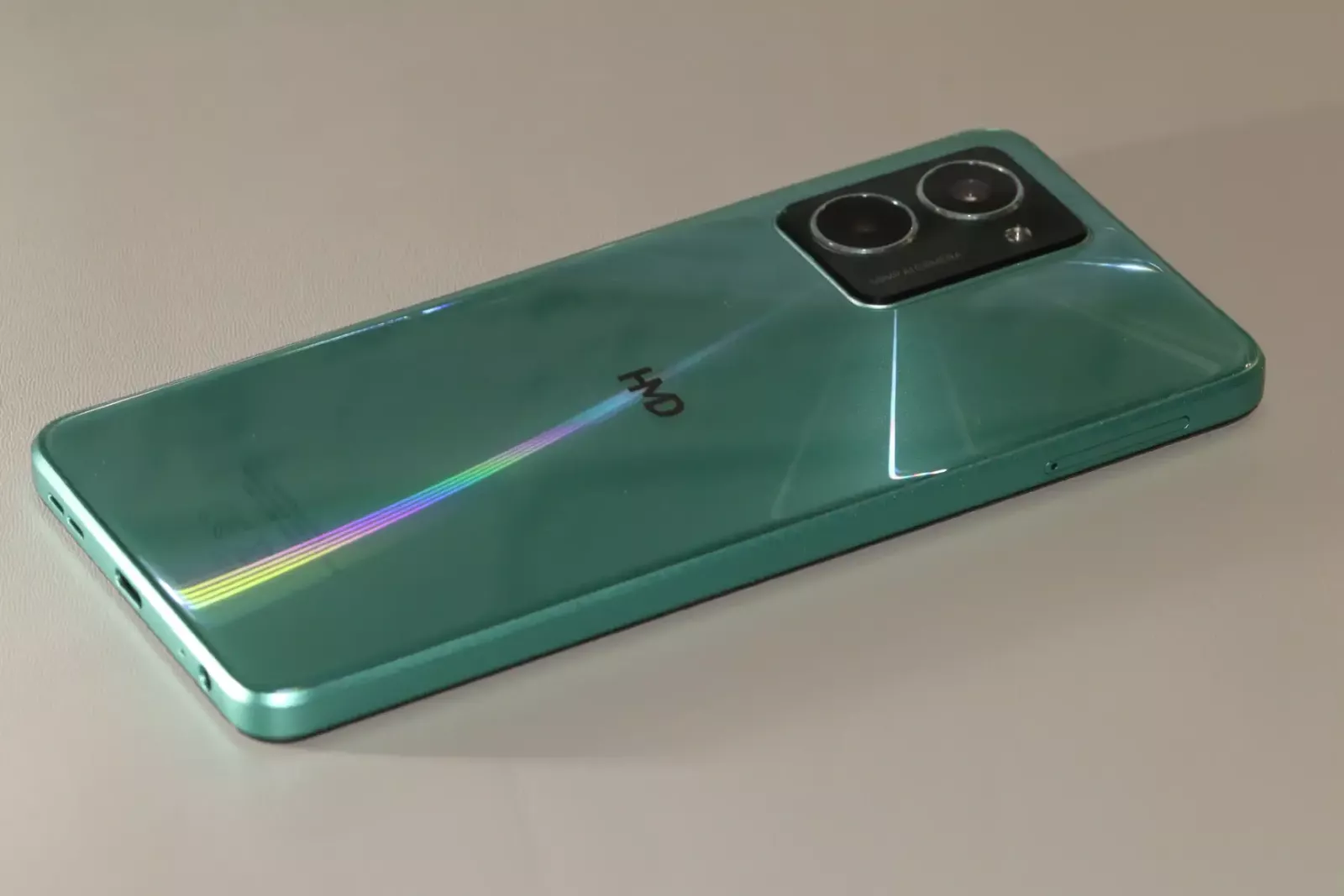
The HMD Pulse Pro has a body made entirely of glossy material. The model is available in three colors – cosmic black, twilight purple, and icy green.
You might be surprised, but despite the completely glossy body, the "tube" feels great in hand. Whether it is worth buying a case is a personal decision for everyone, but there will be no issues using it for some time without one. However, I would not recommend constant use in this format, as glossy finishes, while looking much more stylish, are less practical.
196 grams is quite noticeable for a user. Is this weight a disadvantage? In my opinion, no. Rather, it is an additional comfort for the hand. Controlling the HMD Pulse Pro is convenient with just one hand. Yes, it’s not fully functional, but smartphones are still about managing with two hands. Any compromise regarding one hand is only partially possible. In conclusion, regarding the design and weight, everything is great in my opinion! I recommend it!
Materials Used in the Body
It is not officially specified what materials are used in the body, so let’s figure it out ourselves. So, we have glass covering the entire front panel. This glass has noteworthy protective properties – I tried rubbing it with the edge of a coin, the tip of a pen, and even the tip of a key (though without excessive force), and the results are impressive.
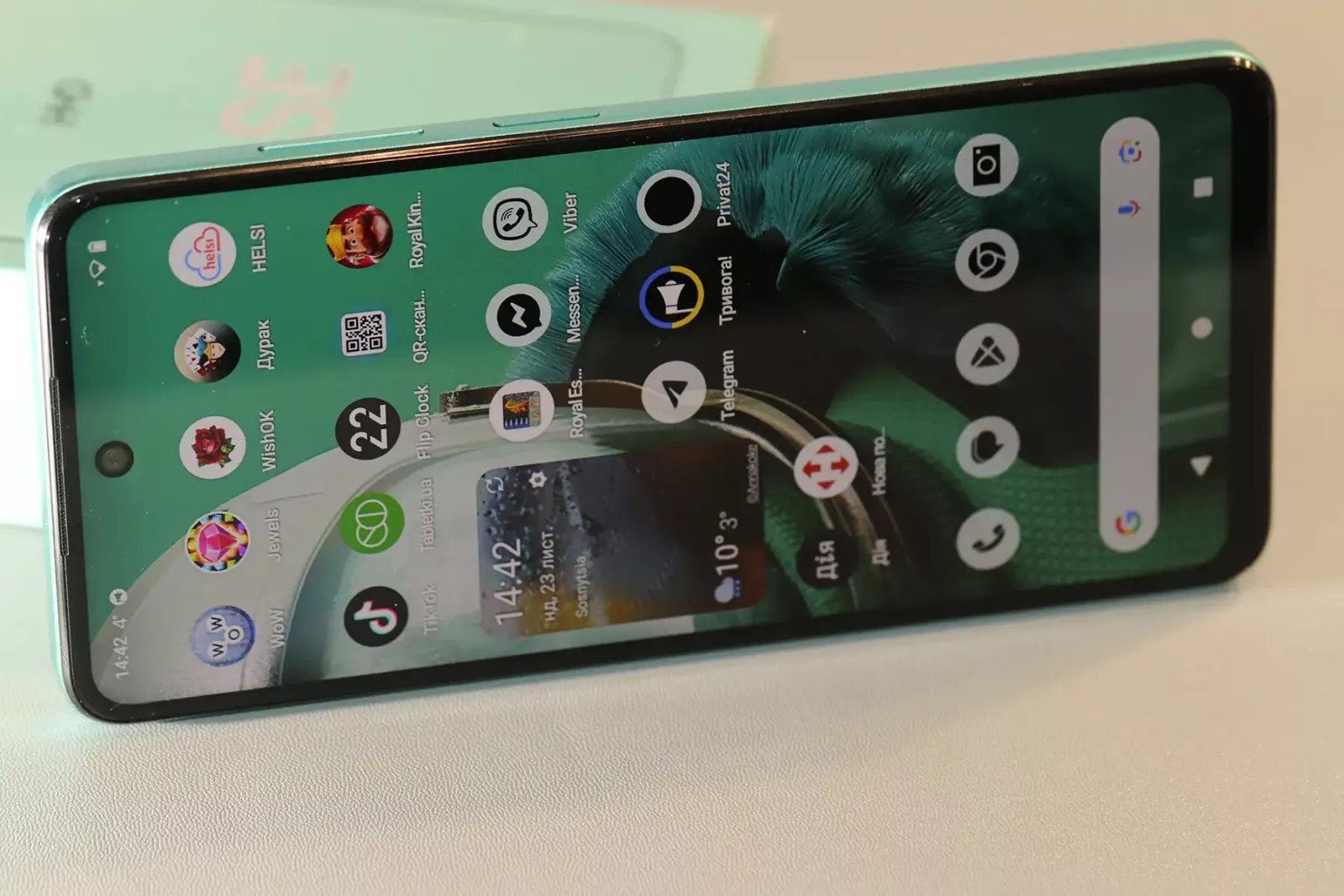
The back is also made of glass, which has decent protective characteristics.
However, along the perimeter, there is a frame made of high-quality plastic. Yes, this might seem like a disadvantage, but the material here is indeed of a high level. Studies showed that drops on wooden or tiled surfaces left no noticeable consequences.
Build Quality and Protection of the Body
The assembly receives a 5 out of 5 in my personal rating. There are no complaints about the manufacturer regarding either the materials or the level of connection between parts. Absolutely quality assembly.
You will also be pleased with the body protection according to IP52 standard, which provides protection against dust and water droplets that hit the surface at an angle of 15 degrees. Thus, talking on the street in light rain will not create problems for your HMD Pulse Pro.
Ergonomics
We have already talked about comfort. Let’s take a look at the functional elements that are on board.
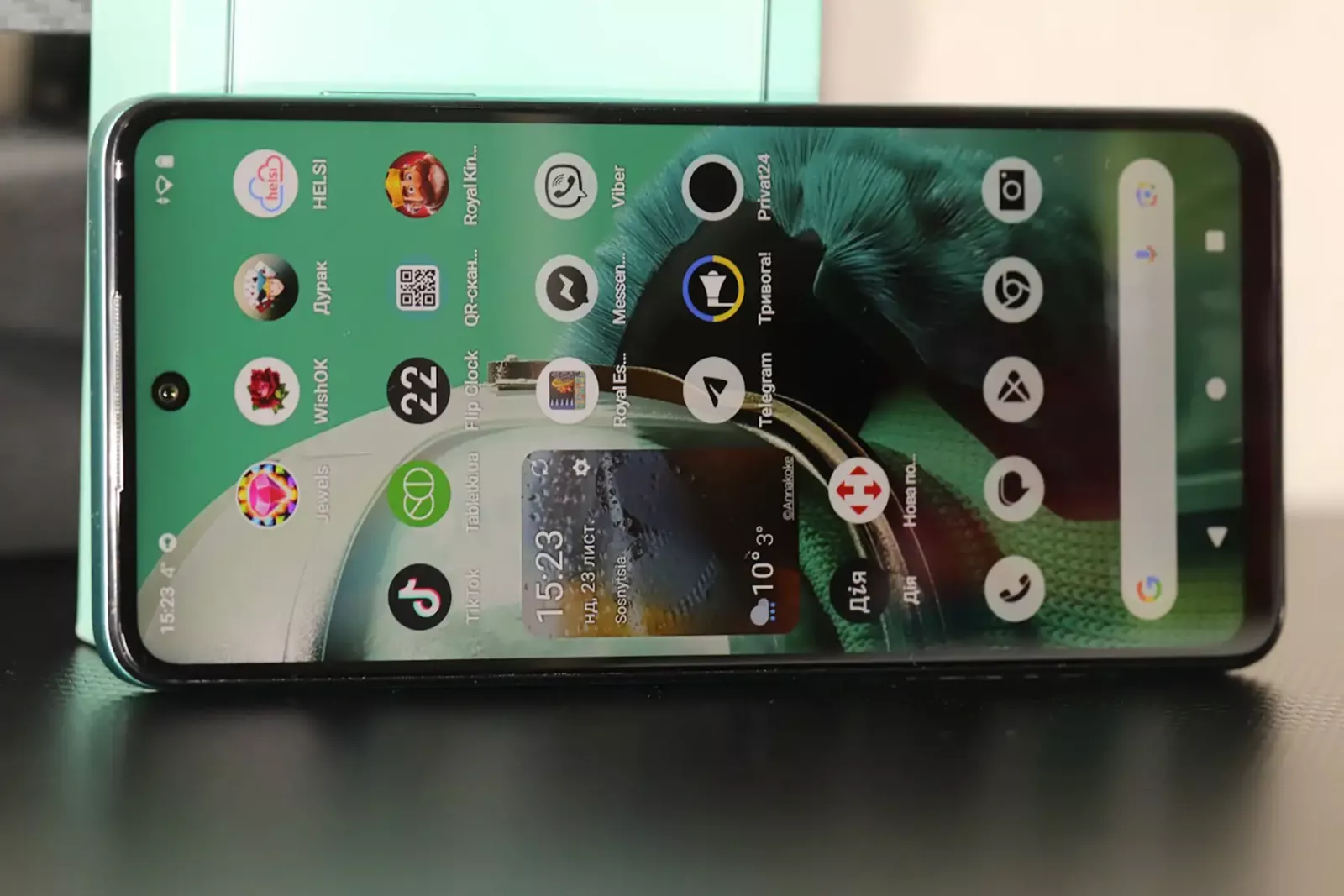
The front panel of the smartphone impresses with a 6.56-inch display, a front-facing 50MP camera, and three touch buttons, which the manufacturer has placed in the functional area.
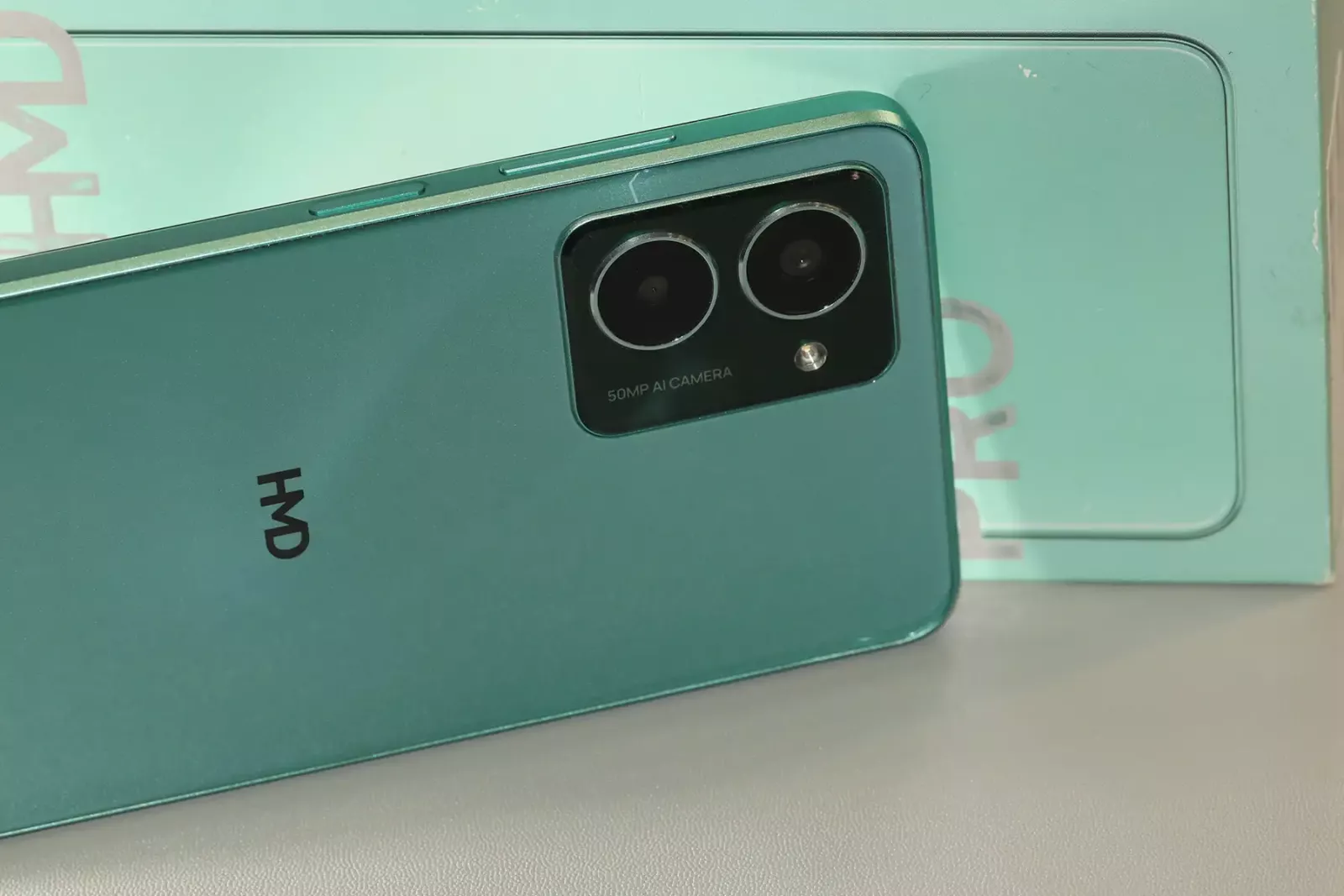
On the back panel, you can notice the main camera block with a flash and several strips of technical data and the brand logo.
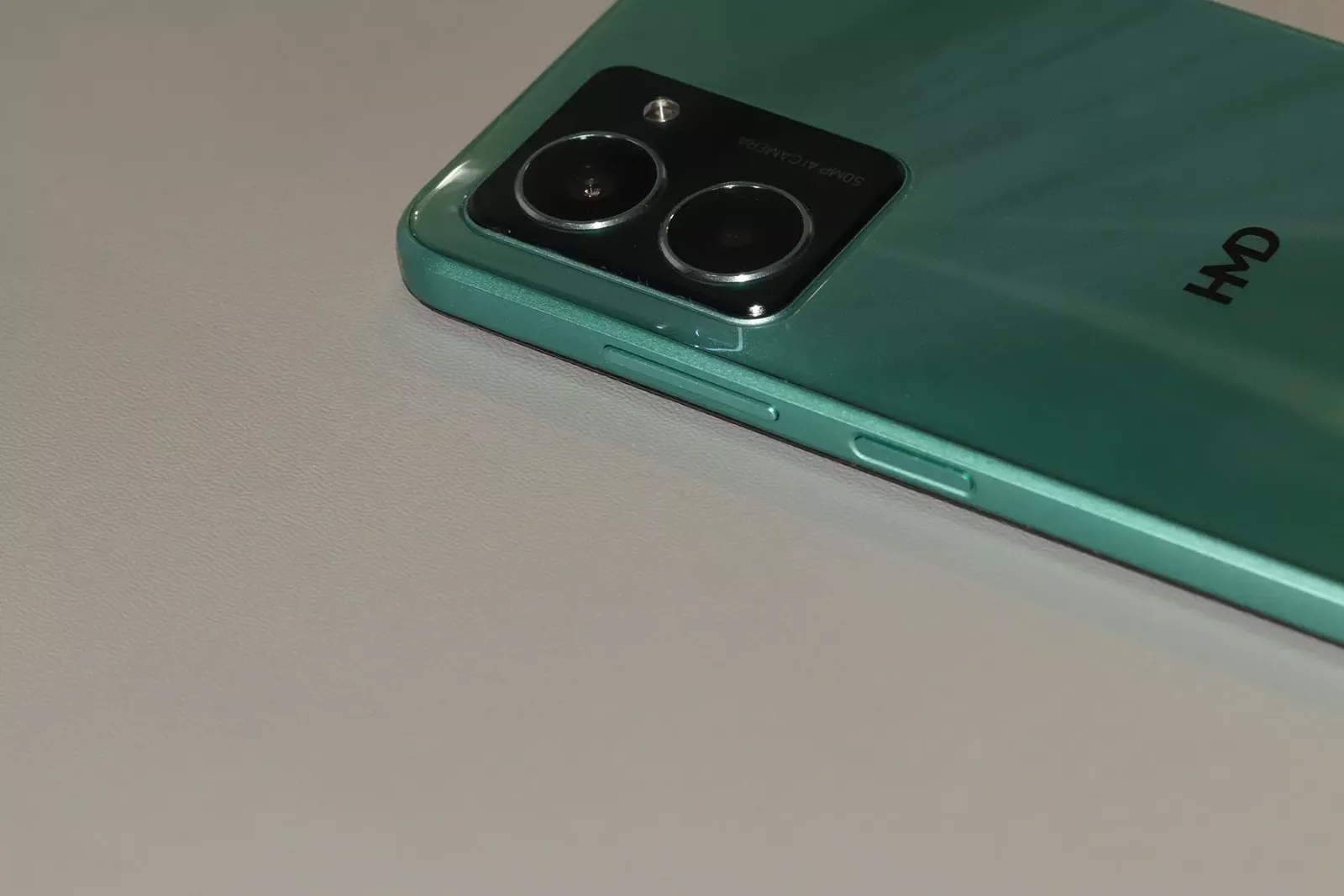
On the right side, there is a combined volume control button and another separate button for turning the power on/off. The latter integrates a fingerprint scanner.
The left panel contains the SIM card/memory card tray.
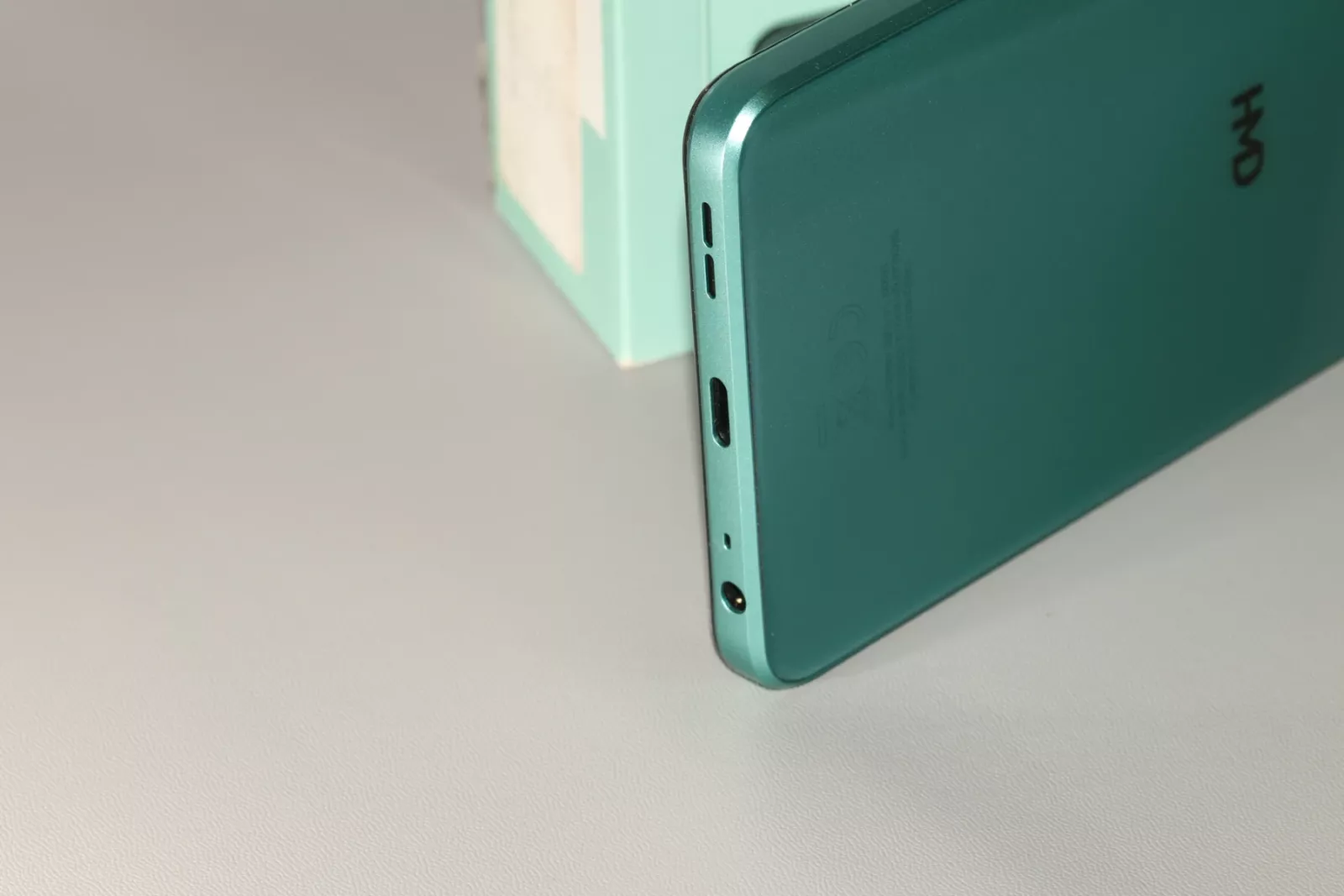
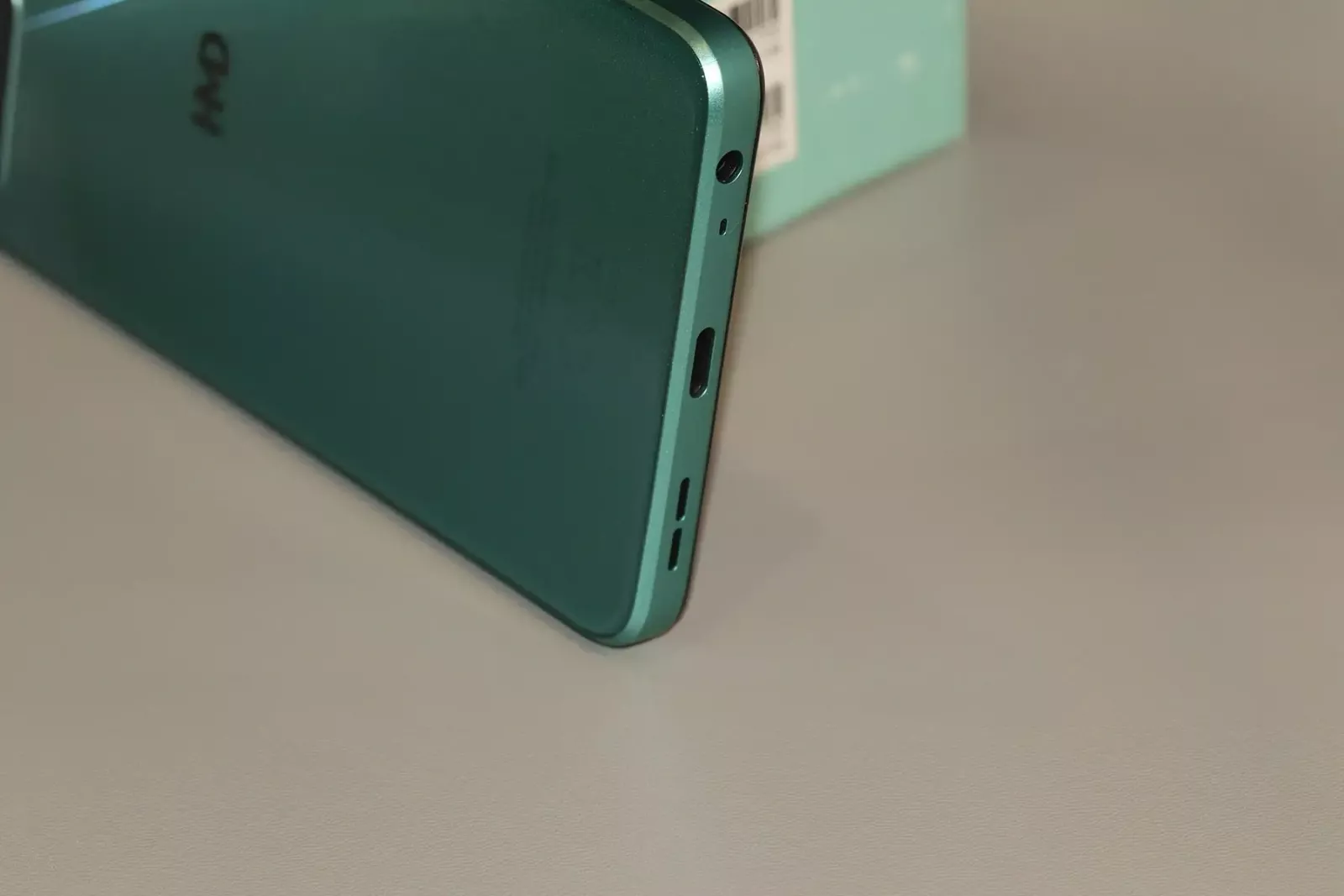
On the bottom edge, there is an AUX port, a built-in microphone, as well as a USB-C port and a speaker.
Display Features
The HMD Pulse Pro features a 6.56-inch screen with a resolution of 720x1612 pixels. It is based on an IPS matrix.
The pixel density approaches the benchmark of 300 ppi; in our case, it is about 265 ppi. There is no graininess on the screen, the images are smooth and pleasant to look at.
A few more characteristics. Typical brightness – up to 480 nits, peak – up to 600 nits.
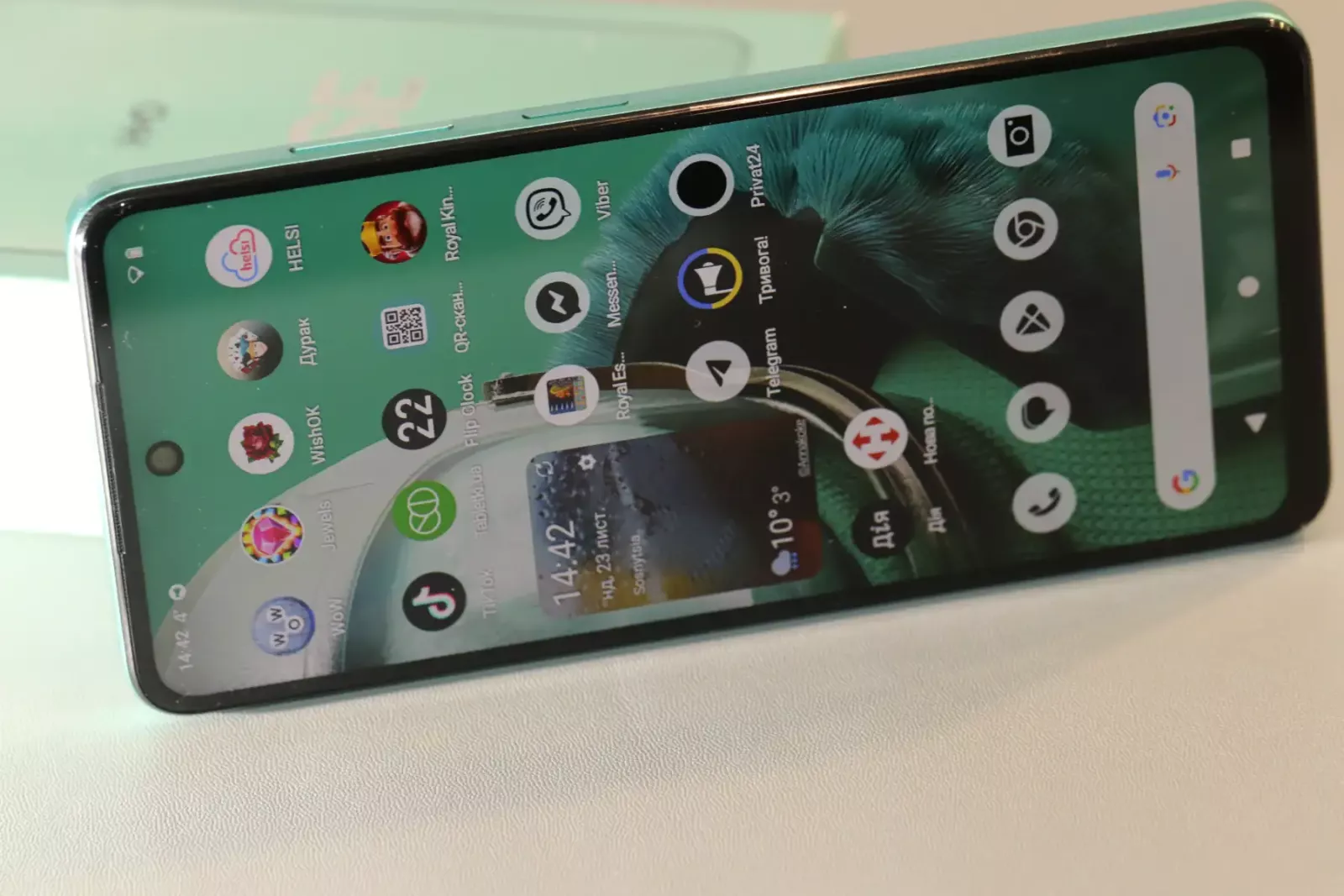
The viewing angles are good, both vertically and horizontally. An additional advantage is that data is displayed correctly even at maximum angles.
Regarding sensitivity, there are no issues here – the response is good, including with a light touch.
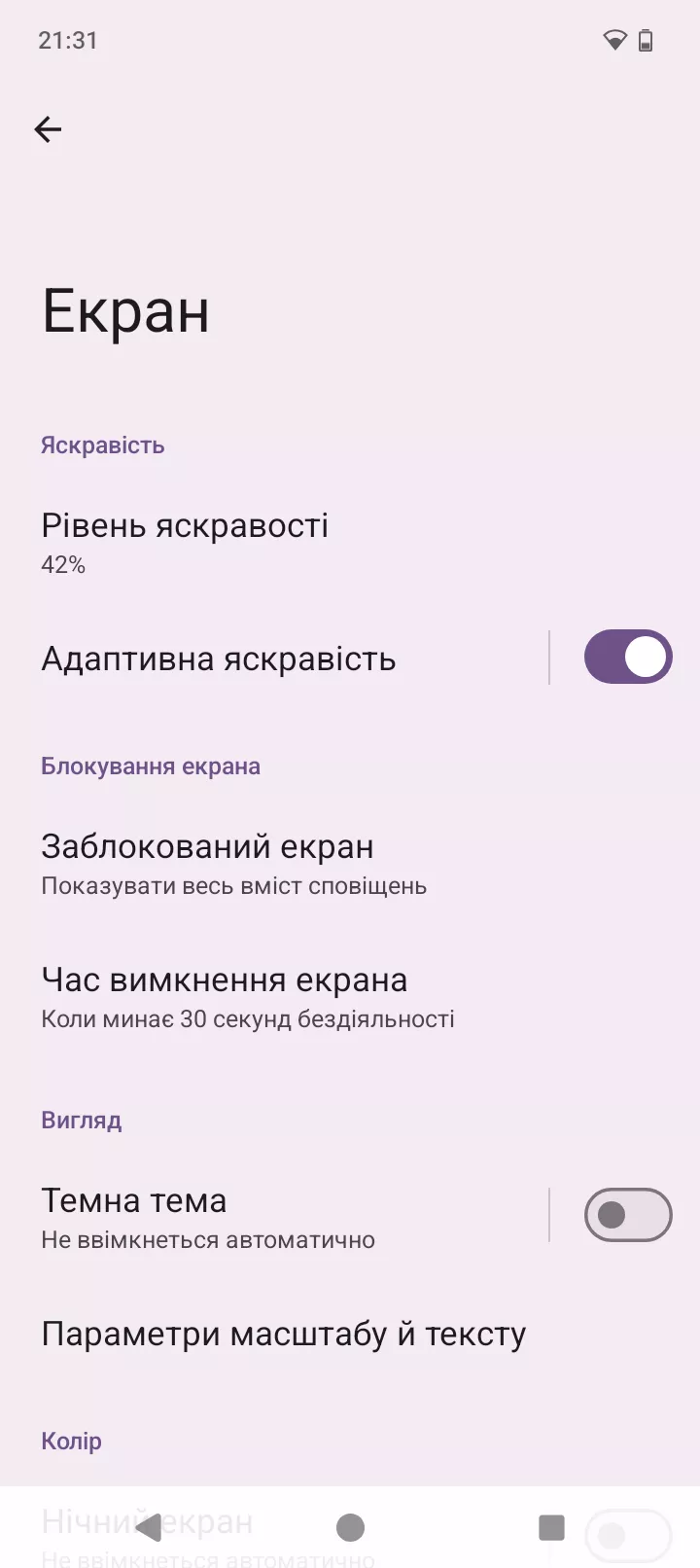
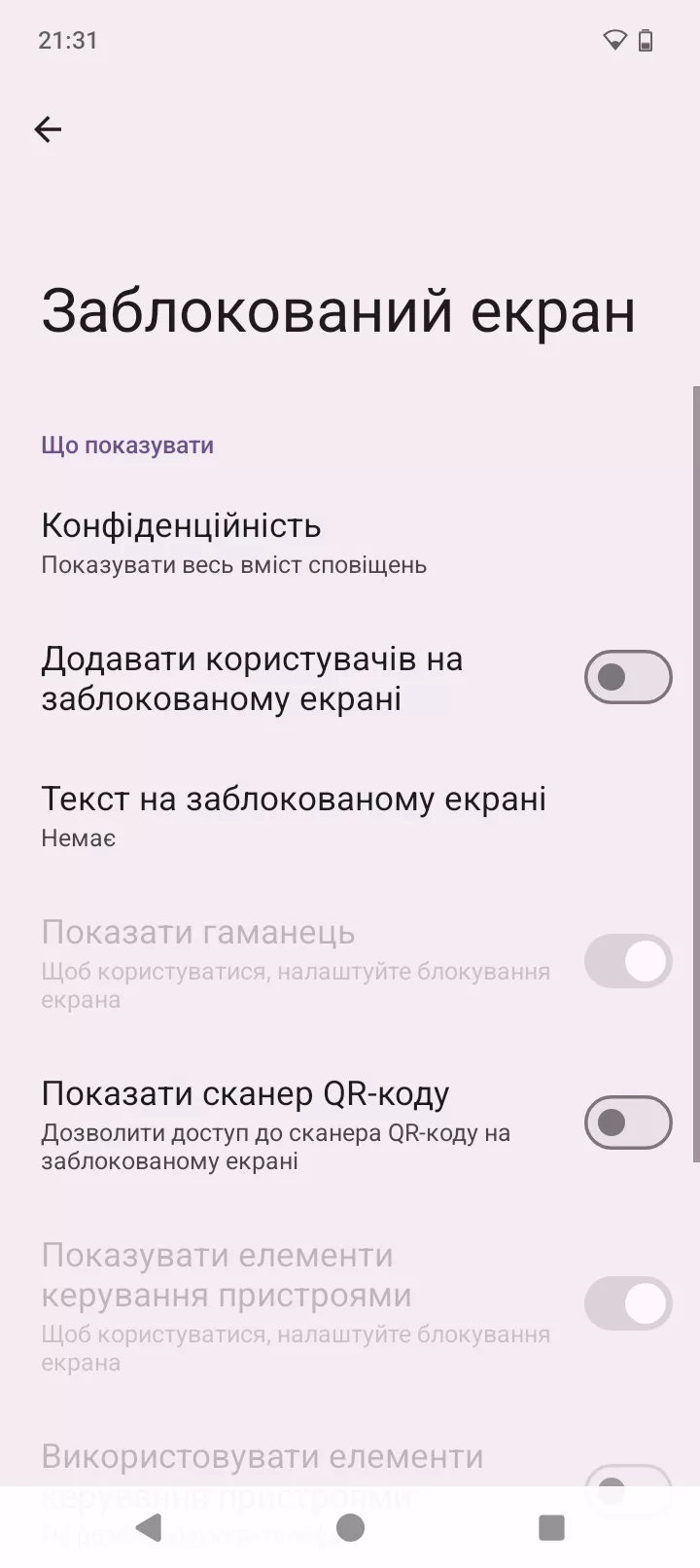
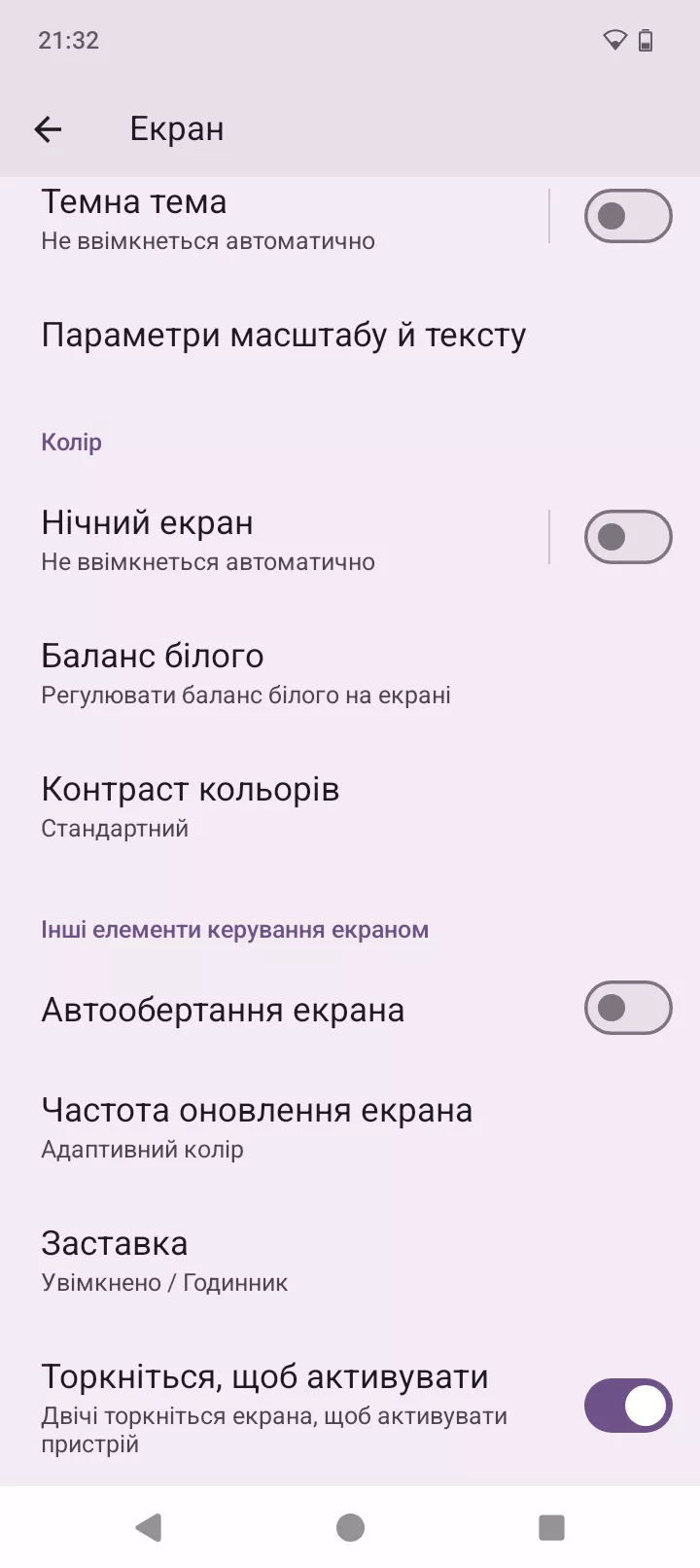
As for settings, adaptive and manual backlight control, the ability to choose a black or white theme, white balance adjustment, etc., are available in the corresponding menu.
Memory and Expansion
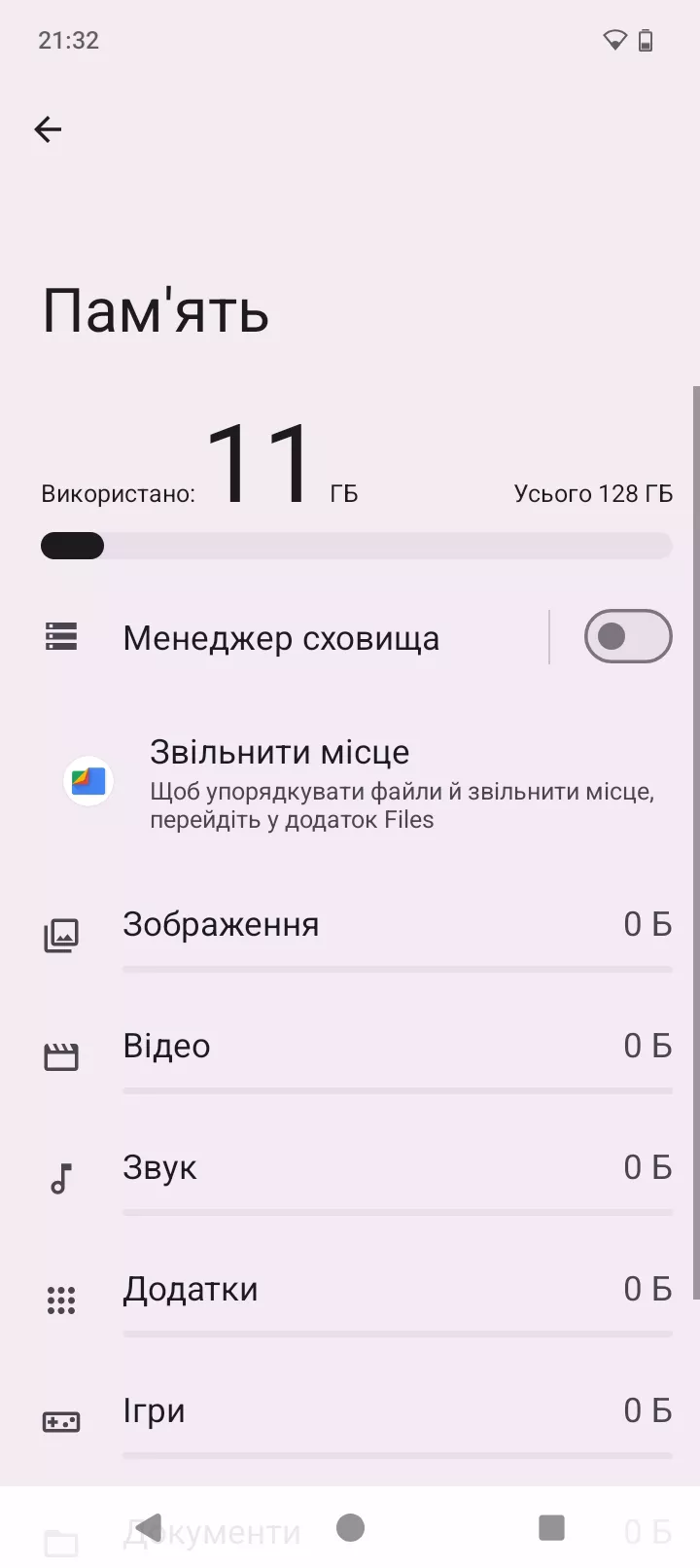
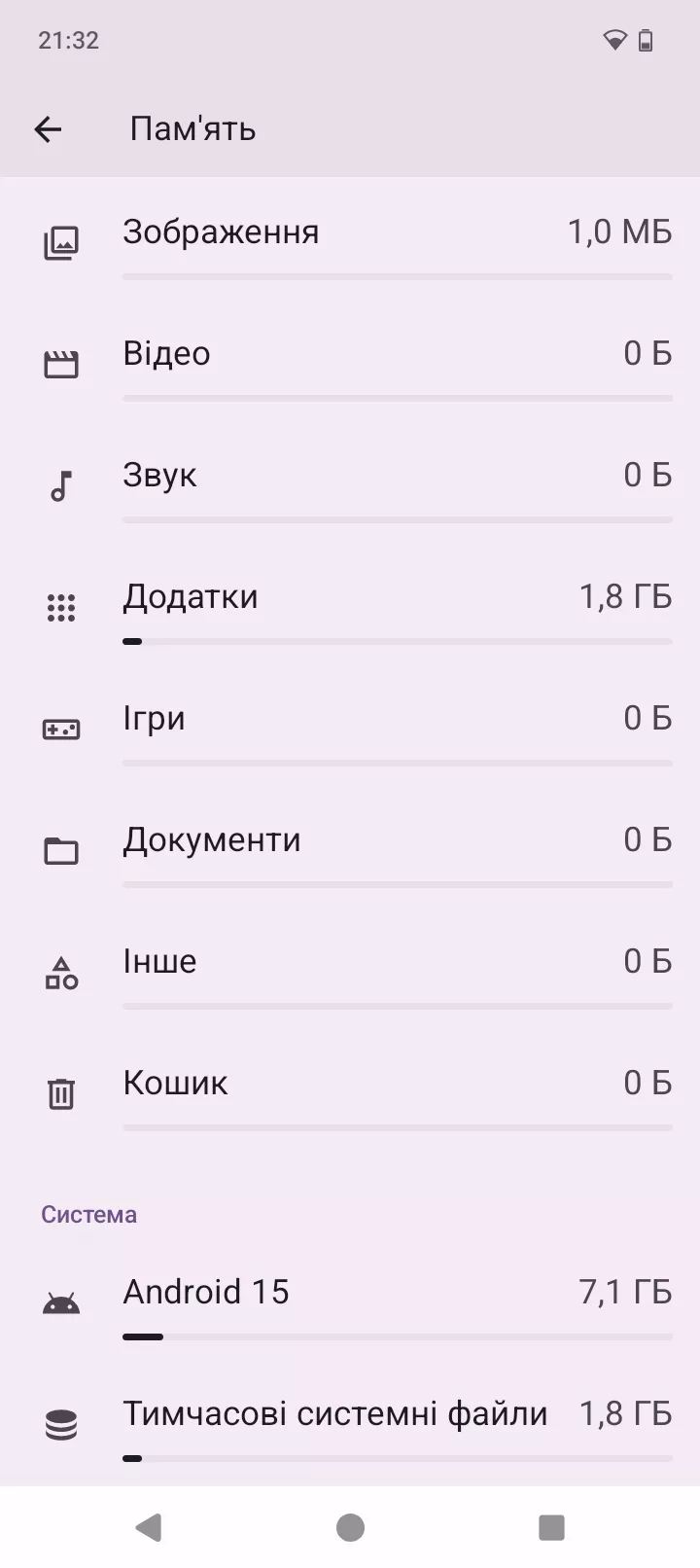
The HMD Pulse Pro is available in two versions: 128GB and 256GB. We tested the first of these versions. Below in the photo you can see the capacity available to the user "out of the box"; the rest is "reserved" by the system and other technical files.
Expansion is possible using microSD cards of up to 256GB. Don't forget about various cloud services.
Speakers and Sound
The HMD Pulse Pro is equipped with two separate speakers with good sound quality. The caller can be heard well even in a noisy environment, such as on a loud avenue or in public transport. There are also no issues with content playback, even at maximum volume.
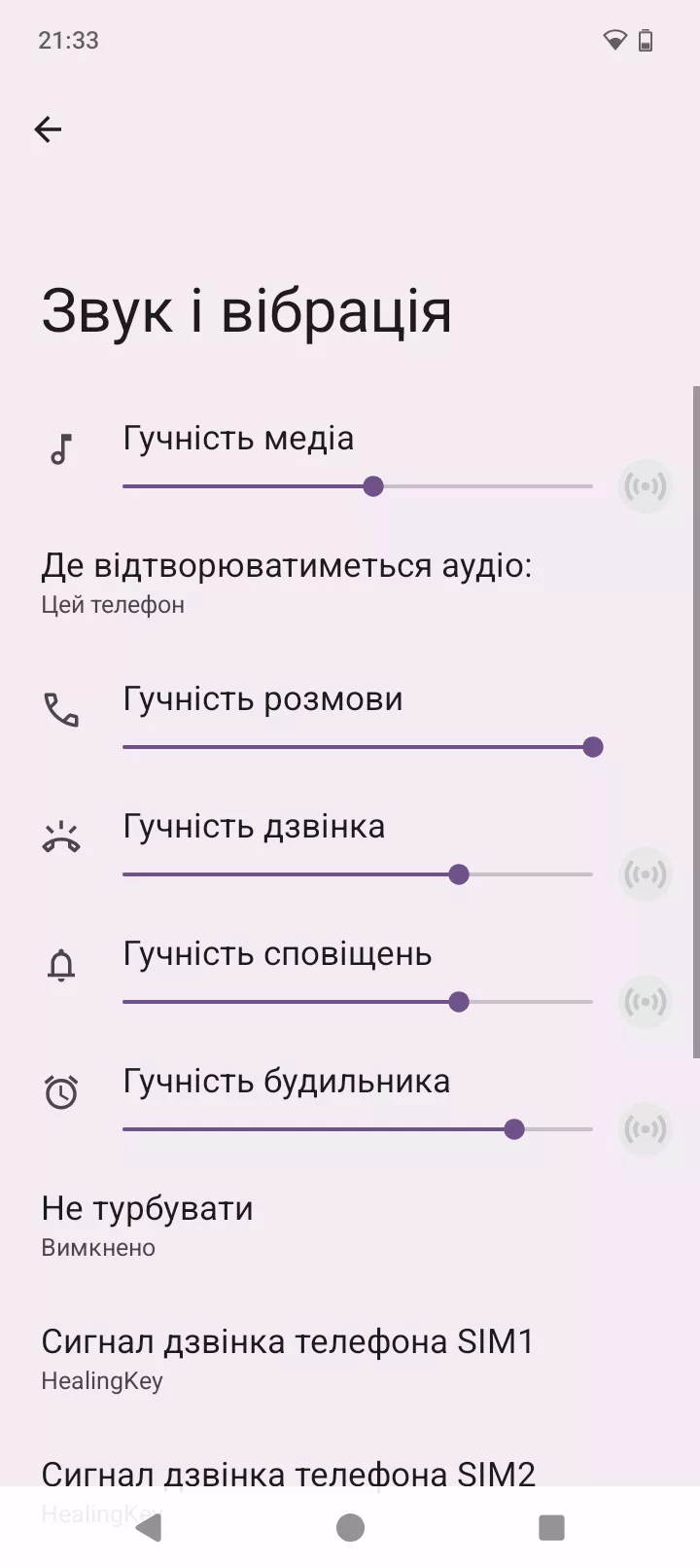
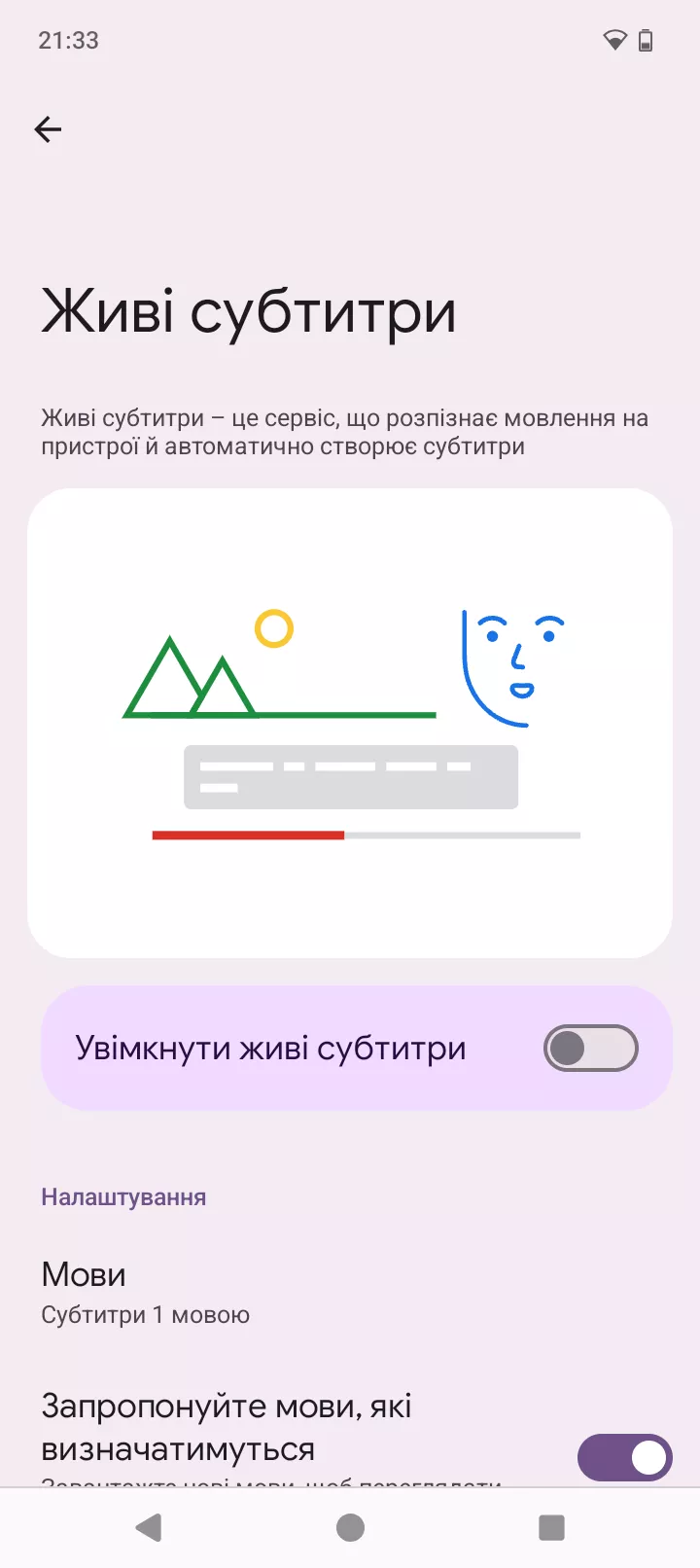
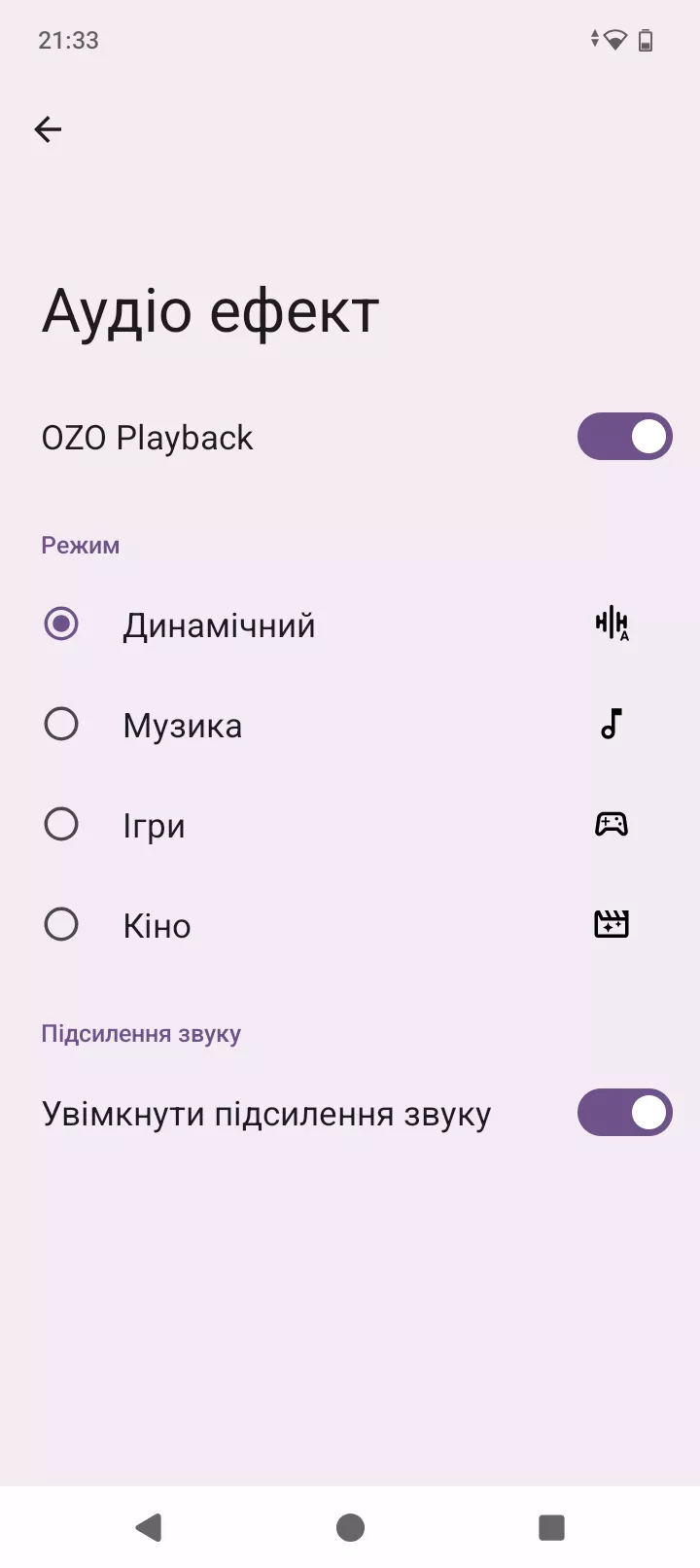
In the settings, there is an option to adjust the volume of media, conversations, calls, notifications, and so on. It’s also worth noting the “Live Subtitles” feature – a speech recognition function on the device that automatically creates subtitles. The “Audio Effect” feature is also interesting, allowing dynamic settings for specific types of content.
Equipment and Performance
The HMD Pulse Pro runs “pure” Android 14 with the prospect of 2 years of updates and 3 years of security updates, which, agreed, is quite good.
The smartphone operates on an 8-core Unisoc Tiger T606 processor. Graphics are controlled by ARM Mali-G57, and the RAM is 6GB (in our case) or 8GB – both versions are available on the market.
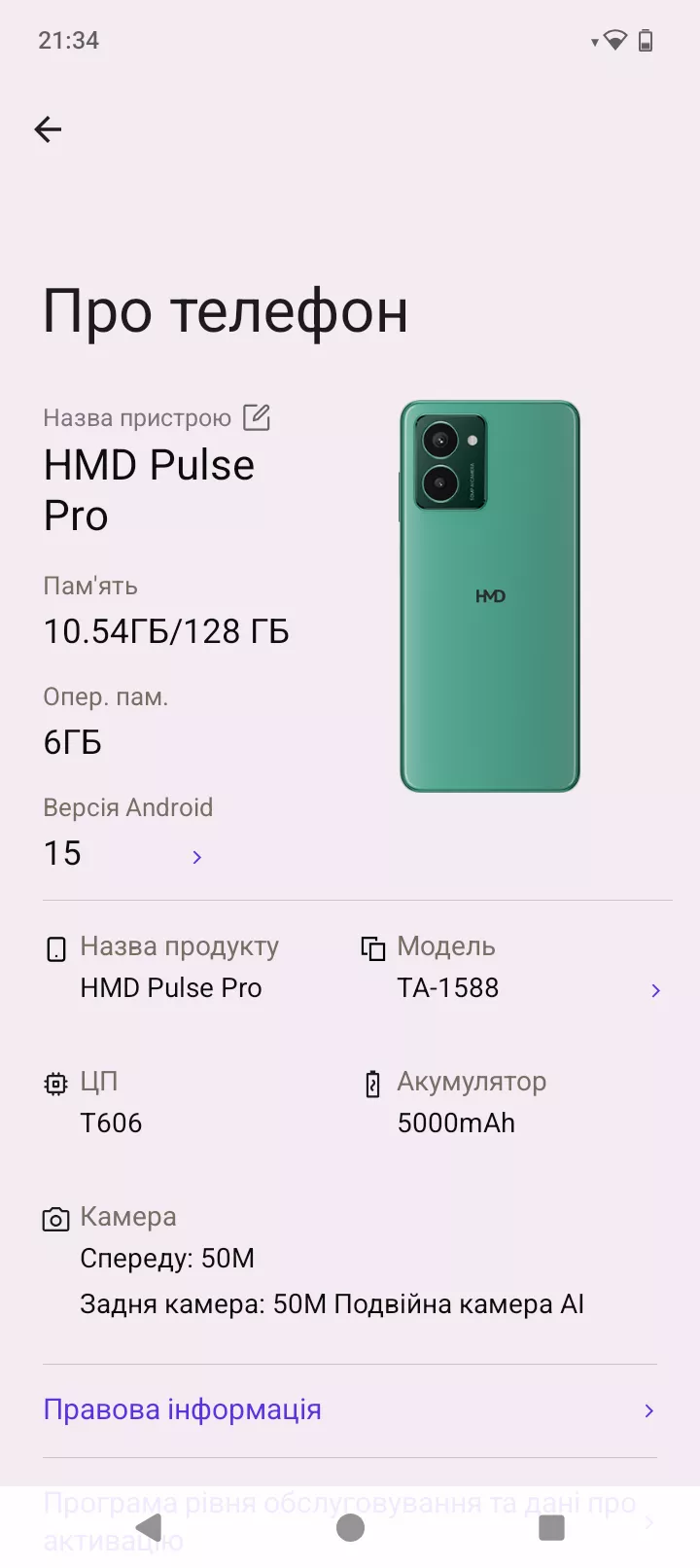
Performance testing was carried out using several specialized applications. The results you can see below.
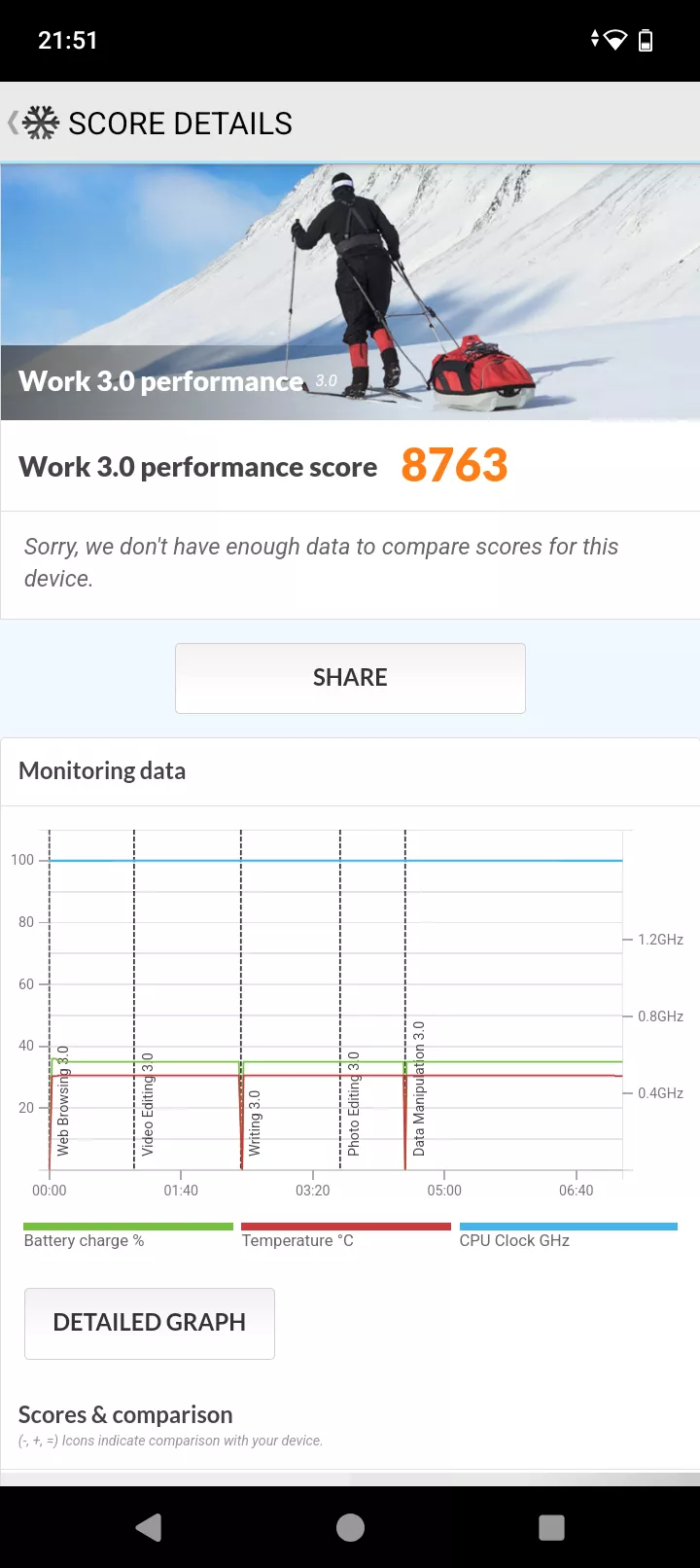
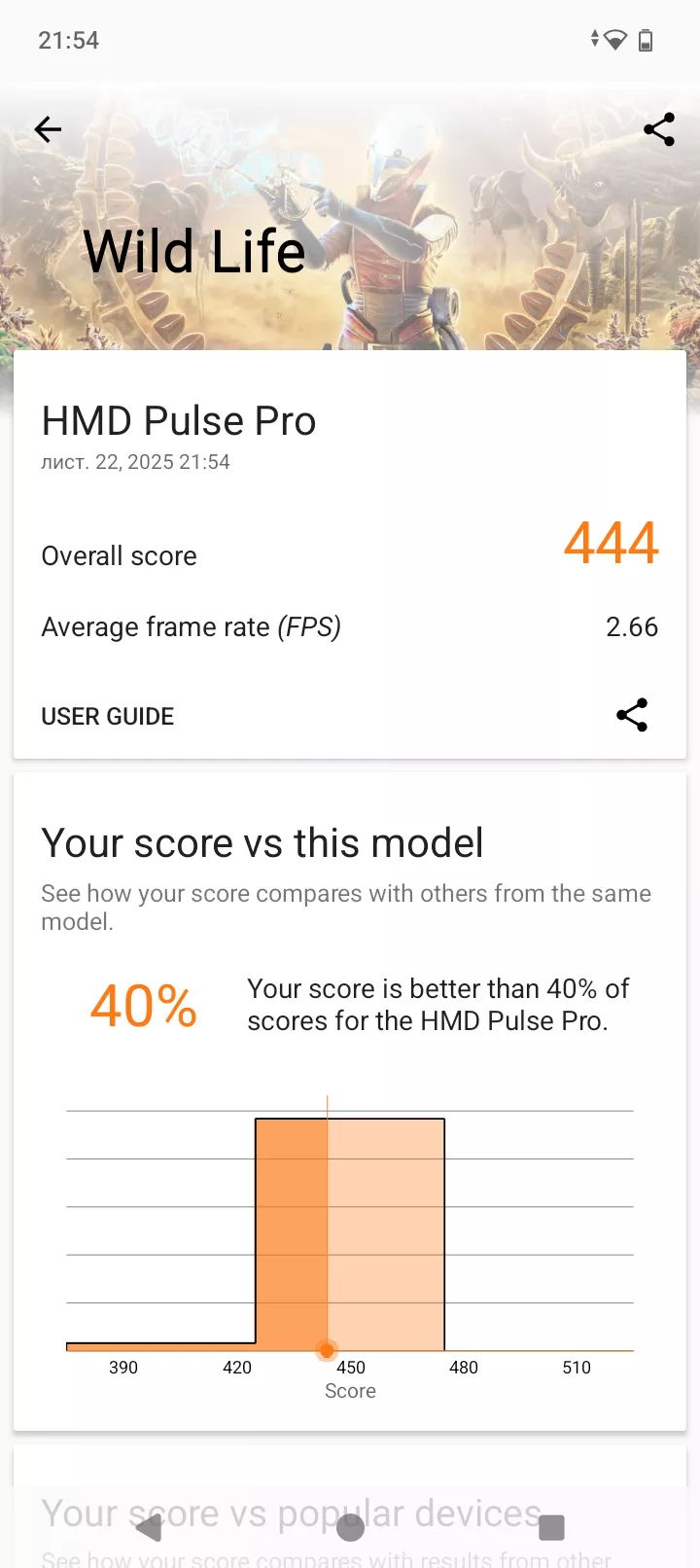
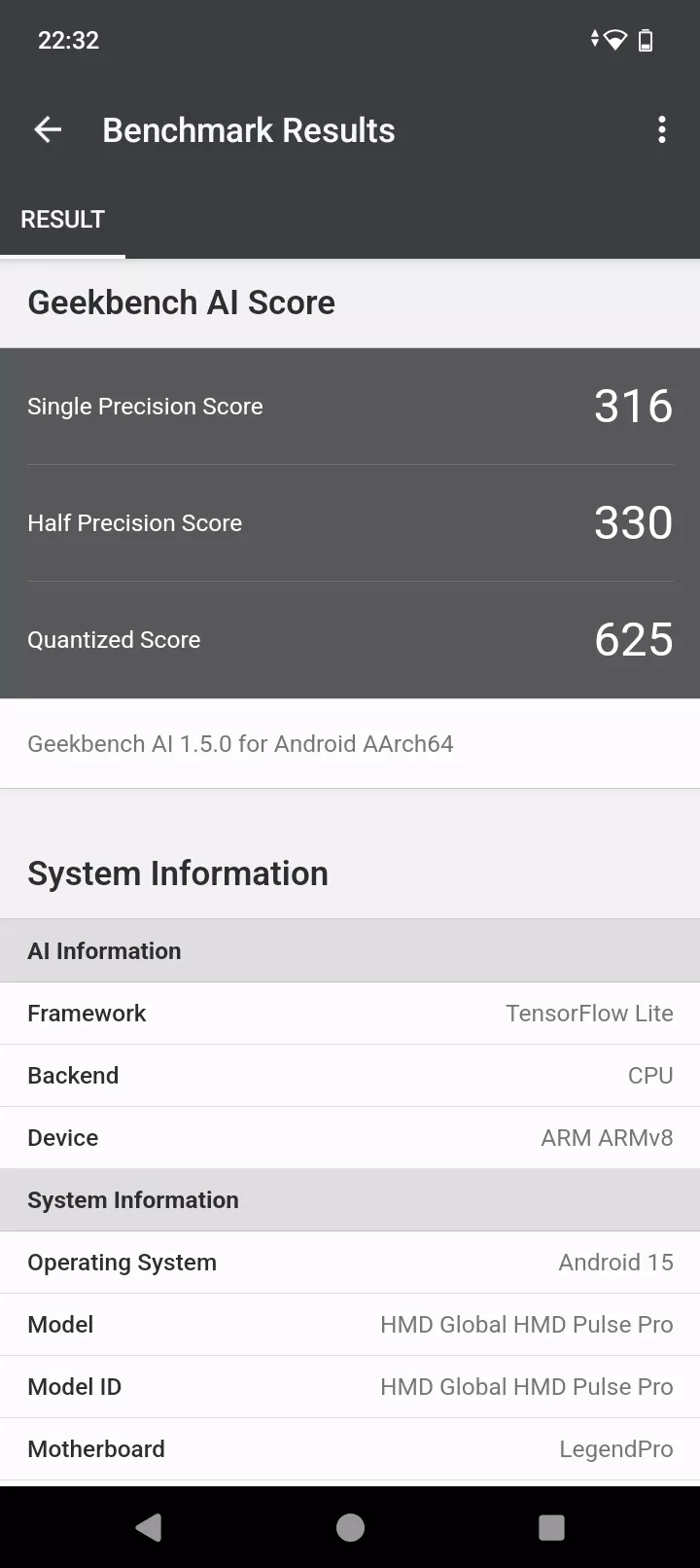
Cameras
Regarding the cameras, the HMD Pulse Pro is equipped with two modules – a main 50MP+2MP and a front-facing 50MP. They are supplemented by various shooting modes and other interesting settings. Videos can be recorded at a maximum resolution of Full HD.
User Self-Repair – A Brief Overview
Now let’s talk about what sets HMD smartphones apart from their closest competitors, namely the possibility of some “simple repair” at the user level. How simple is this? To find out, a special iFixit tool kit is needed, which we did not have. By the way, the iFixit website has a step-by-step guide for replacing components for each HMD model. If we have the opportunity and the necessary tools, we will 100% share our experience, so stay tuned for updates.
Brief Conclusion
The HMD Pulse Pro is a model worth attention thanks to its rugged body, balanced feature set, and the possibility of self-replacing individual components.
The price of the HMD Pulse Pro is 4400 UAH.
The product was provided by the press service of HMD in Ukraine.