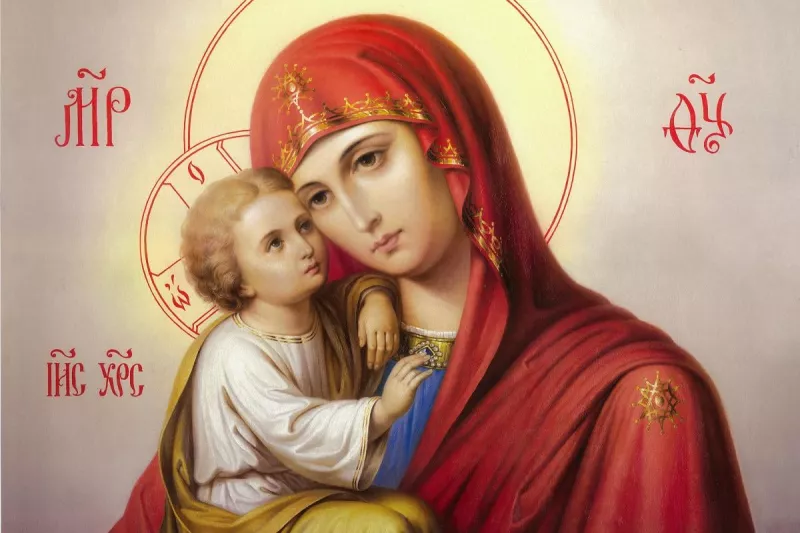

On December 26, Orthodox believers in Ukraine celebrate the Assembly of the Most Holy Theotokos – a special feast dedicated to honoring the Virgin Mary and the saints close to her. Among the people, this day is known as Grandmother's Day, when special respect is shown to motherhood and feminine strength.
History and meaning of the feast
According to the new church calendar, December 26 marks the continuation of Christmas celebrations. If on the first day we glorify the One Born, then the next day all attention turns to the One who gave Him life. The word "Assembly" in the feast's name means "gathering" – believers gather together to glorify the Virgin Mary, Joseph the Betrothed, and Saint James, the Brother of the Lord.
The feast was officially established in the 7th century, but veneration of the Theotokos dates back to the 4th century. On this day, events that occurred immediately after Christ's Nativity are remembered, when an angel warned Joseph about the threat from King Herod, and the Holy Family was saved by fleeing to Egypt.
Traditions and customs of Grandmother's Day
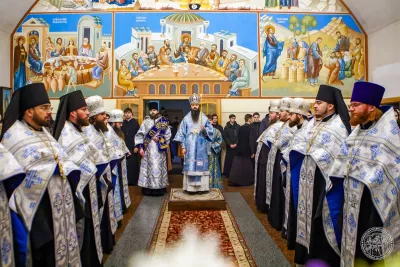
In churches on December 26, solemn services are held with hymns of praise in honor of the Theotokos. Believers pray to the Most Pure Virgin Mary, asking for her intercession, health, and spiritual peace.
The second day of Christmas is a time of active visiting. If Holy Evening and Christmas itself are usually spent in a narrow family circle, then on December 26 the doors of homes are thrown wide open. It is at this time that the active phase of caroling begins, when children or adults go from house to house.
Special traditions of the day:
- Baking pies and wedding breads for new mothers, obstetrician doctors, and children
- First haircut of a child who has turned one year old
- Giving gifts to pregnant women and young mothers
- Visiting godparents, grandmothers and grandfathers
- Preparing porridge and treating guests
Prohibitions on December 26
On this day there are certain prohibitions that resonate with the general festive mood:
- One should not engage in heavy physical work, so as not to bring illness and fatigue for the whole year
- It is forbidden to wash, sew or clean – this is a time for holiness, not household bustle
- One cannot take garbage, junk, broken dishes out of the house, so as not to "take out" luck and family happiness along with them
- Cursing, quarrels, gossip, envy and revenge are not approved
- Pregnant women and their husbands are forbidden to work
Folk omens of December 26
The weather of this day is used to judge the coming year:
- Magpies walking on snow – expect warming
- Sunny day – January will be clear and frosty
- Snow sticks to palms – weather will soften
- Crows making noise – expect blizzards
- Red sunset – expect severe frosts
Among interesting omens: if porridge burns, it means heavy snowfall. By the weather on December 26 and the following 11 days, people used to determine what each month of the new year would be like.
Celebration in other countries
In the global context, December 26 is also special. In many Western countries, for example in Britain and Canada, this is Boxing Day. Historically, this was a day when the wealthy gave boxes of gifts to servants; now it has transformed into a day of sales and sporting events.
In Ukraine, this day still retains more spiritual and family meaning than commercial, remaining a true celebration of motherhood and family values.