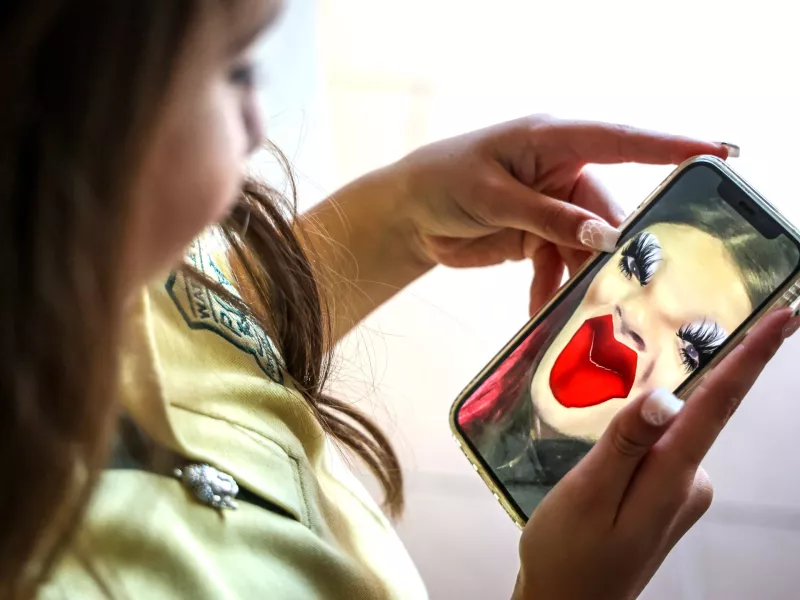

Starting from December 10, Australia will enforce a ban on the use of social media by children under 16 years old. This is the world's first legislative act of this kind, which includes strict penalties for companies that fail to comply with the requirements.
According to the new legislation, social media platforms like "Facebook," "Instagram," "Snapchat," "Threads," "TikTok," "X," "YouTube," "Reddit," "Kick," and "Twitch" must take "reasonable steps" to prevent the creation of accounts by children younger than 16. In case of violation of this law, companies may be forced to pay fines of up to 49.5 million Australian dollars (about 32 million US dollars).
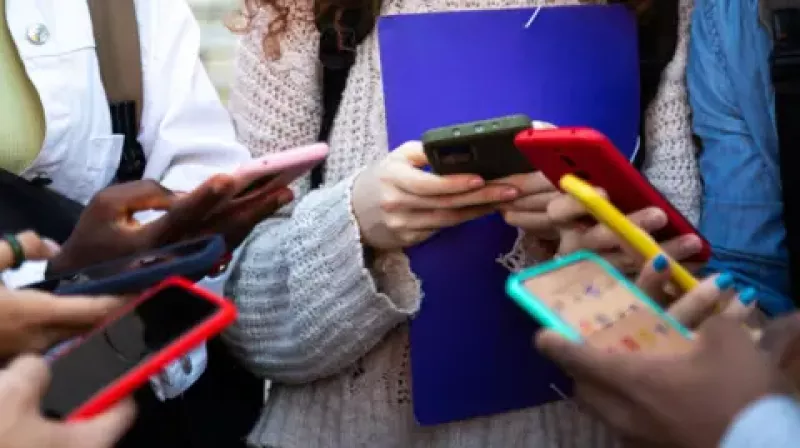
The Australian government claims that the aim of this initiative is to reduce the risks and pressures that children face on social media platforms, such as bullying, harmful content, and online grooming. According to a study conducted, 96% of children aged 10 to 15 use social media, and 70% of them have encountered dangerous content.
Age Verification Methods
Social media platforms are required to utilize various modern technologies for age verification, including identification documents, facial recognition, and voice recognition technologies. However, it is noted that such technologies may be unreliable, and there are concerns about potential errors in blocking some users.
The company "Meta," which owns "Facebook" and "Instagram," has already announced its intention to close accounts of teenagers by December 4. They also indicated that children can appeal this decision by providing proof of age.
Discussion and Criticism
Many experts and members of the public have expressed concerns about the effectiveness of the ban. They note that the presence of such platforms can be important for social connections among teenagers. Communications Minister Annika Wells acknowledged that the ban may not be "perfect."
Critics also point to issues related to the processing of personal data involved in age verification and the possibility that teenagers will seek ways to circumvent the ban, including creating fake accounts.
This step by Australia is being watched worldwide; other countries, such as Malaysia and New Zealand, plan to implement similar restrictions in the near future.