
Ukrainian Security Service Hits Oil Infrastructure and Military Targets Deep Inside Russia and Occupied Crimea
The Security Service of Ukraine (SBU) carried out another series of long-range strikes during the night of July 24, targeting Russian oil infrastructure and military facilities deep inside the Russian Federation and in temporarily occupied Crimea.
According to the SBU, the operation was conducted in line with President Volodymyr Zelenskyy's directive to reduce Russia's military and economic capabilities.
Oil Facilities Hit Hundreds of Kilometers from Ukraine
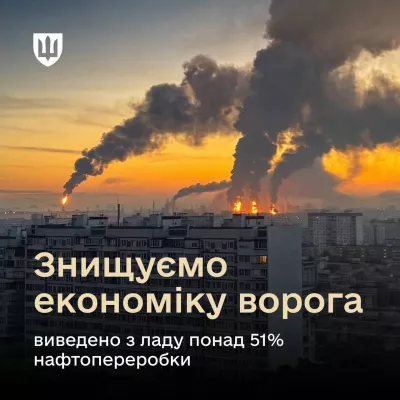
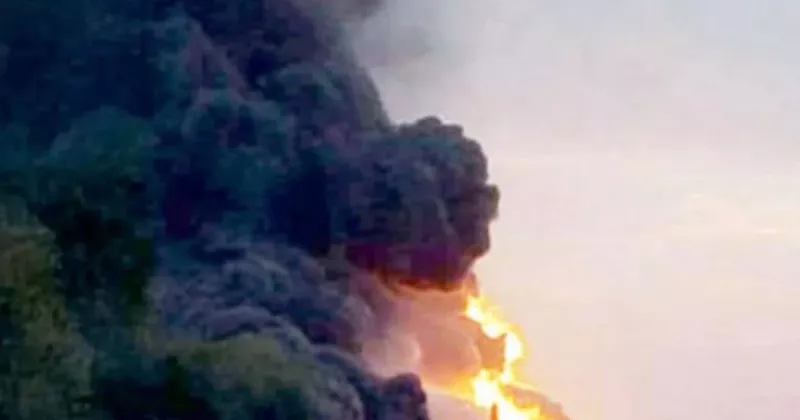
Among the targets was the Subkhankulovo oil pumping and dispatch station in Russia's Republic of Bashkortostan, approximately 1,350 kilometers from the Ukrainian border. The strike reportedly ignited a fuel storage tank at the facility.
Another successful strike targeted the Novospassky mini oil refinery in Russia's Ulyanovsk region, around 900 kilometers from Ukraine, where a fire also broke out.
The SBU additionally reported hitting the First Plant mini refinery in Russia's Kaluga region.
Military Infrastructure Targeted in Occupied Crimea
Ukraine also struck key Russian military infrastructure in occupied Crimea.
According to the SBU, drones hit the Nebo-U long-range radar system located at the Belbek military airbase, as well as a fuel storage facility at the Saky military airfield.
The Nebo-U radar is used by the Russian military for long-range air surveillance and target detection, making it an important component of Russia's air defense network.
Part of Ukraine's Strategy to Weaken Russia's War Machine
The Security Service stated that these operations are part of Ukraine's broader campaign to reduce Russia's ability to sustain its war by targeting critical military and energy infrastructure.
President Volodymyr Zelenskyy also confirmed that Ukrainian Defense Forces had successfully struck one of Russia's key military-industrial enterprises in Kirov, along with an oil facility located approximately 1,350 kilometers from Ukraine.
Ukraine has increasingly expanded its long-range strike capabilities, regularly targeting oil refineries, fuel depots, military airfields, radar systems, and defense industry facilities far behind Russian front lines in an effort to disrupt logistics and weaken Russia's military potential.