


On December 4, the Orthodox Church honors St. Barbara of Heliopolis, known as the patroness of women and children. This day is surrounded by special traditions, signs, and prohibitions that have deep roots in Ukrainian folklore.
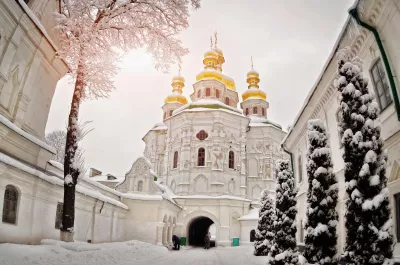
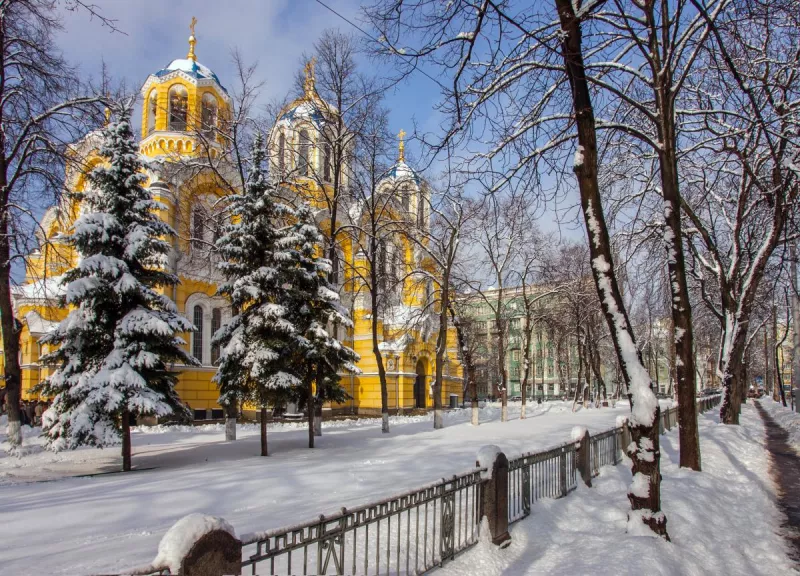
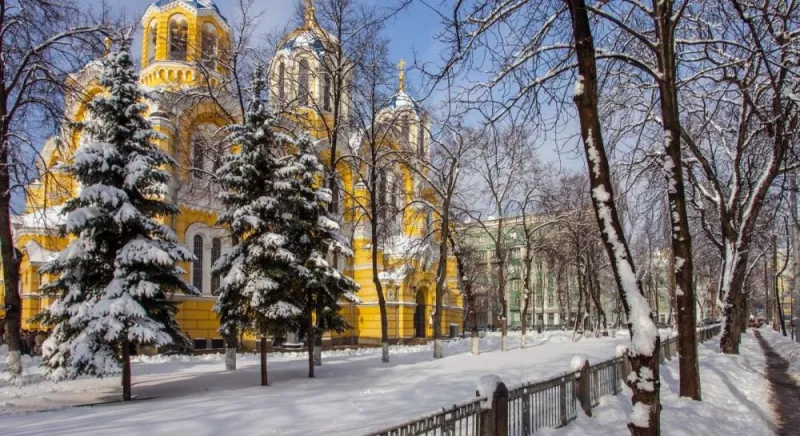
St. Barbara, who lived in the 3rd century, became a martyr for her faith. She accepted baptism despite her father's opposition, and after enduring cruel torture, she died, making her one of the most revered saints among Orthodox Christians. Her relics were transferred to Kievan Rus, where they are kept in the "Vladimir Cathedral."
Traditions and customs
Barbara's Day is celebrated as a women's holiday, during which it is customary to pray for the health of children and family peace. Among the people, this day is also known as "Barbara's frosts," as it is believed that strong frosts begin from this point. People say: "If Varushka is cracking, protect your nose and ears."
What to pray for
On this day, people turn to St. Barbara with requests for safe childbirth, health for the little ones, and preservation of family happiness. It is believed that the saint helps overcome difficulties and unforeseen circumstances.
Prohibitions on Barbara's Day
On this day, there are strict prohibitions that Ukrainians adhere to:
- One should not judge, quarrel, or speak ill;
- It is not recommended to lend grain or salt from home;
- Women should not engage in handicrafts;
- Men are prohibited from raising their voices at their wives.
These prohibitions are considered important for maintaining peace and harmony in households.
Signs on December 4
According to popular signs, the weather on Barbara's Day may predict changes in climatic conditions. For example:
- If there is a lot of snow, winter will be harsh;
- Strong frost promises a hot summer;
- Cloudy skies indicate a good harvest of vegetables.
The true celebration of Barbara’s Day is an opportunity to honor Ukrainian traditions, to pay respect and remember one’s past. It is important to observe customs and honor the saint, as her spirit protects families from troubles and misfortunes.