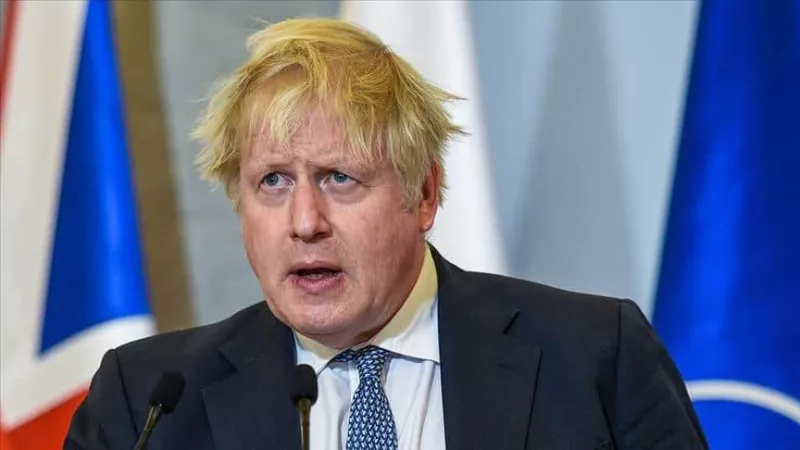

Former and former Prime Minister of the United Kingdom Boris Johnson sharply condemned the new "peace plan" of the USA for Ukraine, describing it as a "military castration" of the country. In his article for the Daily Mail, Johnson emphasized that the so-called peace plan stipulates that Russia would have a veto over Ukraine's accession to NATO, as well as control over any foreign troops on Ukrainian territory.
Johnson noted that the plan, received from Washington, is a betrayal of Ukraine's interests, as the country has already endured numerous losses while trying to defend its independence. "This document is a capitulation from Ukraine's friends, and it leaves the country under the threat of a new invasion," Johnson stated.
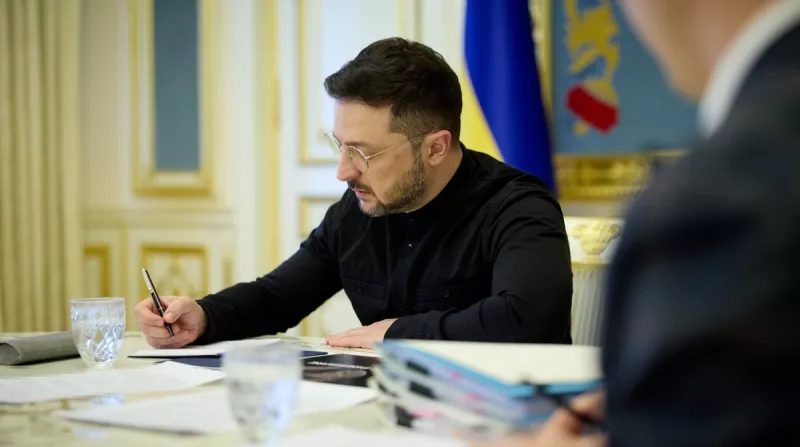
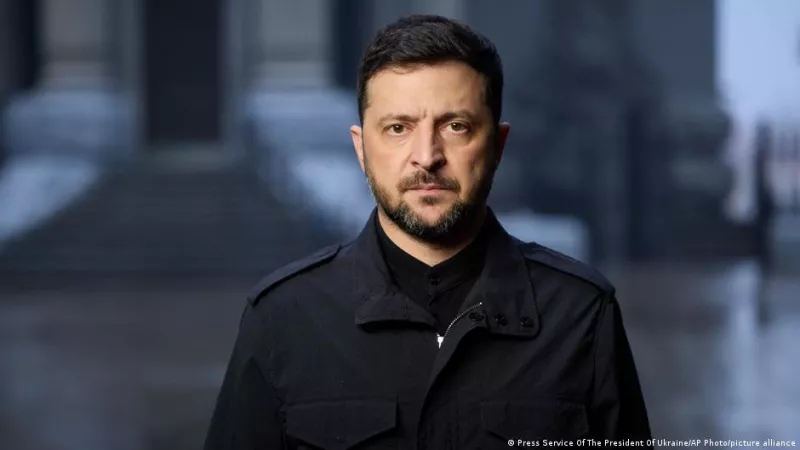
President of Ukraine Volodymyr Zelensky, in his address to the nation, said that the issue goes beyond just individual points of the document, stressing the need to provide guaranteed security and justice for Ukrainians. He noted that "peace cannot be achieved at the expense of compromises in national interests."
A Difficult Situation for Ukraine
Zelensky also emphasized that Ukraine is facing one of the most challenging moments in its history, and the country is being asked to choose between losing dignity or risking the loss of a key partner. "We are facing a harsh winter and new challenges, and we must find a workable path to peace," he added.
Commenting on negotiations with the American side, Zelensky emphasized that official representatives know how to defend Ukraine's national interests. In this regard, intensive negotiations between the USA and the EU regarding the possible implementation of the new "peace plan" began on November 21.
Reactions from International Leaders
Comments from Johnson and Zelensky reflect the general dissatisfaction with the new peace plan, which was also indicated by US Vice President James David Vance, emphasizing that "peace cannot be achieved without sound diplomacy." Negotiations continue, and many EU leaders are actively discussing strategies to support Ukraine.
As of today, US plans include possible territorial concessions to Moscow, as well as a gradual lifting of sanctions against Russia in exchange for commitments to support Ukraine's recovery. These agreements raise concerns in Kyiv, where the government seeks to avoid any compromises that may jeopardize the country's sovereignty.
What will be the outcome of these negotiations and the consequences for Ukraine remains unknown, but this issue remains relevant on the international stage.