
In the coming days, significant tension is expected in the relations between the US and its allies due to a new "peace plan" developed at the initiative of President Donald Trump. Political scientist Maxim Nesvitailov noted that elements of the document prepared by his special envoy Steve Witkoff provoked a strong reaction from both the American and Ukrainian sides.
In particular, the document contains strict demands on Ukraine, which has led to a negative response from European and Ukrainian partners. The expert pointed out that Witkoff "put Trump in a difficult position," as the president's administration learned about the contents of the plan through the media, leading to arbitrary criticism even among Republicans.
The plan, consisting of 28 points, has already undergone changes: it was shortened to 19 during negotiations in Geneva. The Ukrainian delegation confirmed that it is ready to discuss the proposed agreement, despite the fact that several of its elements have sparked controversy.
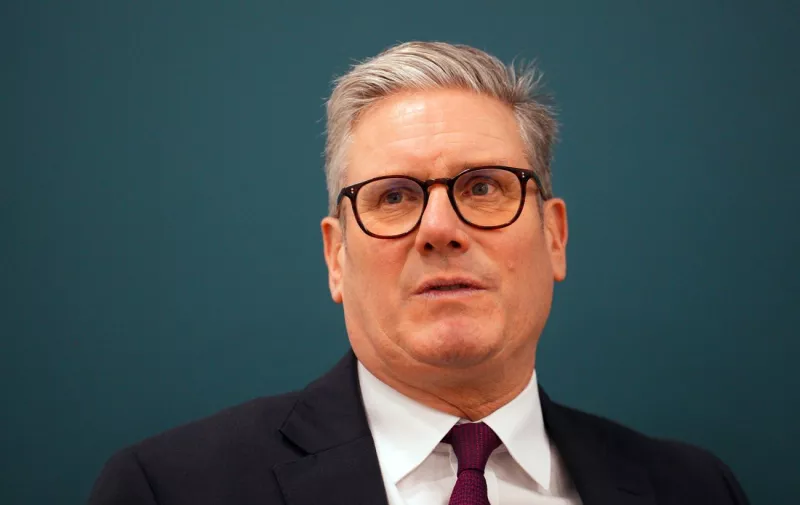
At the same time, British Prime Minister Keir Starmer noted that Europe does not plan to develop its own version of the peace plan and will work within the framework of US initiatives. A consensus was reached at the G20 summit on the importance of cooperation and supporting the current text of the agreement.
In contrast, the Russian side, according to comments from Russian Presidential Assistant Yuri Ushakov, stated that the European plan, which has been rumored, "does not suit" Russia. In turn, diplomat Valeriy Chaly believes that this plan is part of a Russian special operation aimed at changing the framework of the conflict in Ukraine.
Experts and politicians emphasize that the peace process requires collective efforts; however, it is clear that Trump's new plan generates new disputes, and uncertainty remains on the agenda.