




The Ukrainian combat special group called 'Night Watch' has achieved significant success in combating Russian 'Kinzhal' missiles. According to reports, in just two weeks, the team intercepted the trajectory of 19 missiles using electronic technologies and even music.
How does it work?
The core of the 'Night Watch' strategy relies on a system called 'spoofing.' This technology allows for the disruption of Russian missile navigation systems by sending them false location data. For example, one of the songs, 'Our Father Bandera,' mocks Russian propaganda narratives and is used to jam signals.
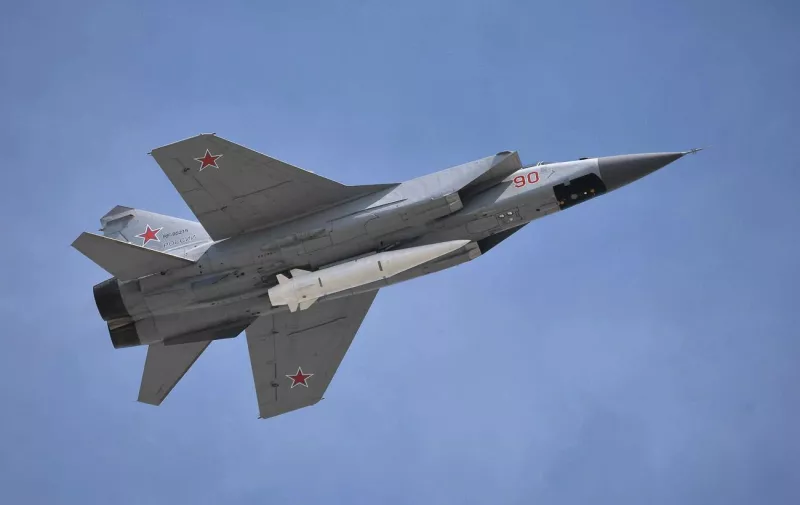
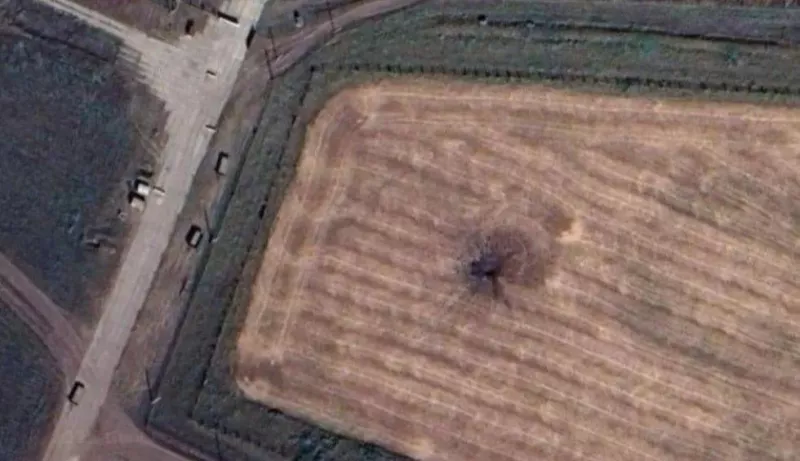
The 'Kinzhal' missile, which costs several million dollars and carries 480 kilograms of explosives, boasts an impressive speed of over 6400 km/h. However, thanks to the signal jamming system 'Lima', 'Kinzhal' missiles often find themselves off course and fall into empty fields, indicating the success of the new Ukrainian technologies.
Accuracy and navigation issues
According to engineers, the 'Kinzhal' has a probable circular error of 10 meters. However, recent studies show that the missiles often miss by a large margin, leaving the impression of being utterly inaccurate weapons. Meanwhile, 'Night Watch' claims that their spoofing system significantly complicates the functioning of Russian missile navigation systems.
It is worth noting that the use of music in modern military operations is a new and creative approach that demonstrates how culture can influence a country's security and defense. 'Night Watch' has announced its readiness to continue its work in this direction, finding new ways to protect Ukraine.