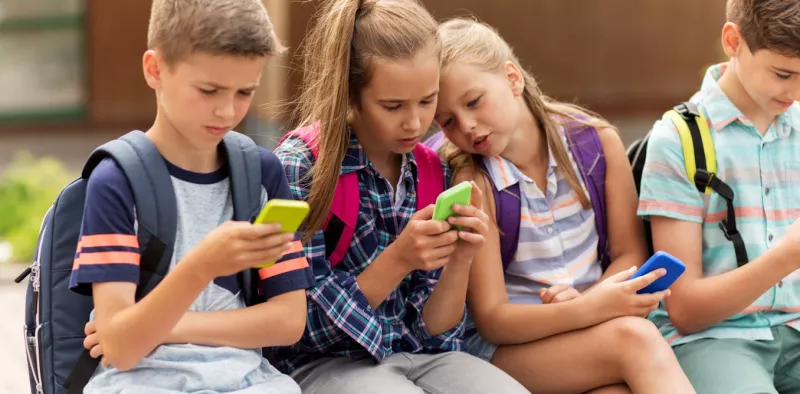



Australia is preparing to implement a ban on the use of social media for children under 16, which will take effect on December 10. This will be the world's first such measure concerning major platforms, including Facebook, Instagram, TikTok, Snapchat, Twitter, YouTube, Reddit, and Twitch.
The Australian government has announced that social media platforms are required to take "reasonable measures" to prevent young people from creating accounts on these platforms and to remove existing accounts. This ban aims to reduce the pressures and risks that children may face online, particularly harmful content such as violence, eating disorders, or cyberbullying.
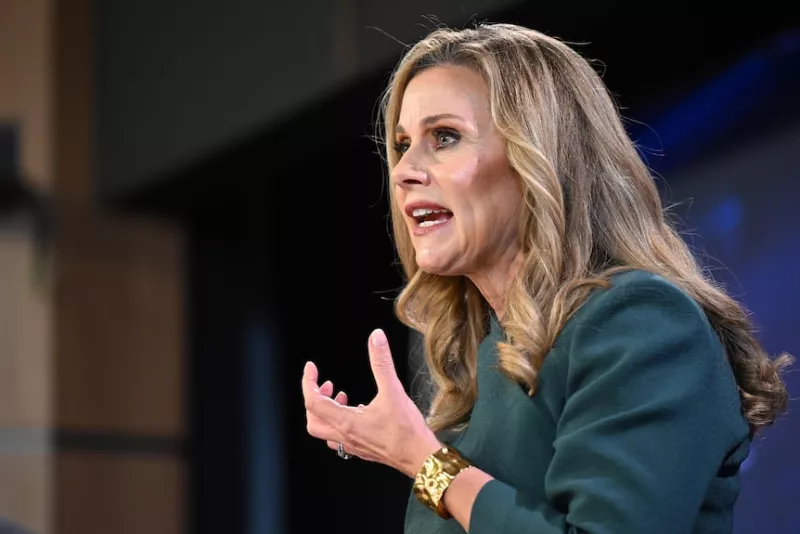
"The entire program is designed to protect our children from potential dangers in the online space," said Australia's Minister for Communications, Annika Wells. However, her statement was not without criticism. Many experts believe that such a ban may not protect youth but could instead force them to seek alternatives and unregulated platforms.
In particular, this could impact the popular platform Twitch, where young people stream video games. Concerns have arisen over how the introduction of new age verification technologies will function. The Australian government has already expressed expectations that companies must employ various age verification methods, but the details remain unclear.
In addition to account closures, young people will also be allowed to view content on YouTube without having their own accounts. However, experts say this may create barriers to moderation and control over harmful content when teenagers will not be able to report inappropriate content.
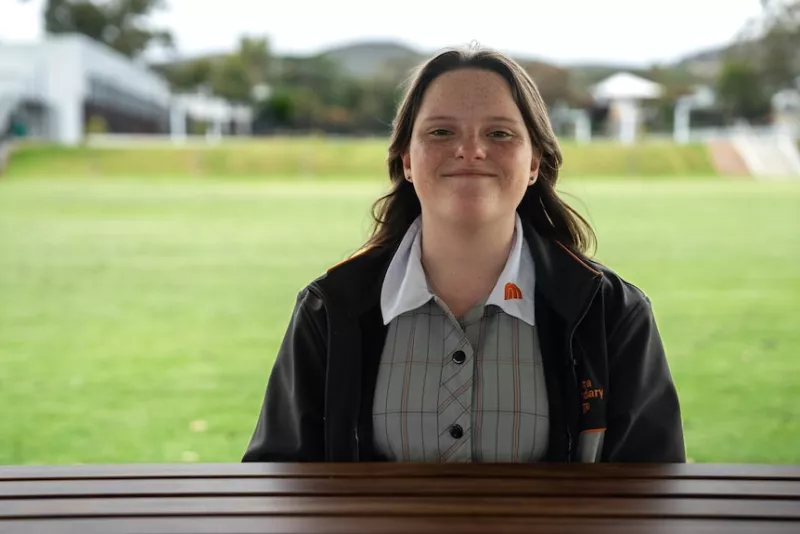
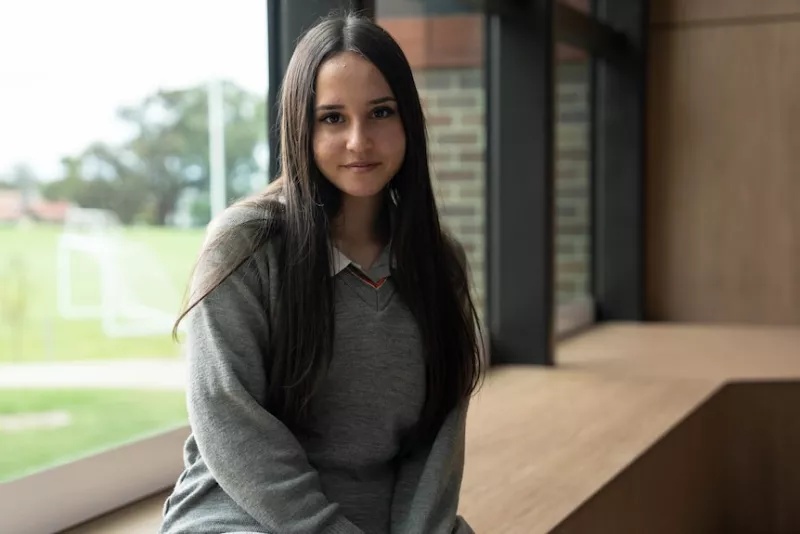
Many teenagers are already contemplating ways to circumvent this ban by creating new accounts with fake ages or moving to other platforms. Some have even intensified the exchange of contacts on alternative channels, such as WhatsApp or Discord, to stay connected with friends if the main social networks become inaccessible.
Will this keep children safe in the online world? The question remains open. Experts warn that restrictions may have a counterproductive effect, and the real safety of youth will be more influenced by education on the safe use of social media than by prohibitions.