On July 24, Russian forces launched a missile attack on Ukraine using two supersonic Oniks cruise missiles and three ballistic missiles. Ukrainian air defense units intercepted one of the ballistic missiles, while the other two struck targets in the Kyiv region. The Ukrainian Air Force noted that, unlike most previous attacks, this strike was carried out during the daytime rather than at night.
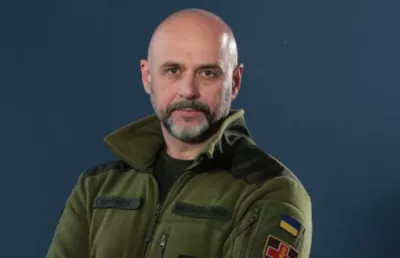
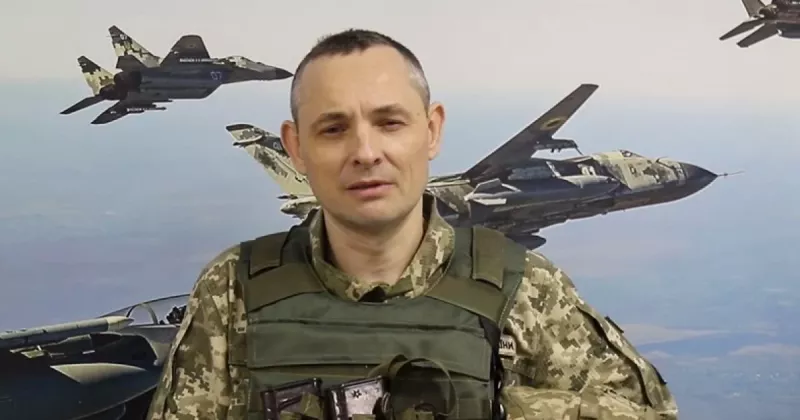
The information was announced by Yurii Ihnat, Head of Communications for the Air Force Command of the Armed Forces of Ukraine.
Russia Changed the Timing of the Attack
According to Ihnat, Russia carried out a combined missile strike involving ballistic missiles launched from the north, along with two Oniks missiles aimed at southern regions of Ukraine.
He suggested that the daytime timing of the attack may have been linked to a large public event taking place in the Kyiv region.
"During wartime, all safety requirements must be strictly observed. Law enforcement agencies should thoroughly investigate this situation," Ihnat said.
One Ballistic Missile Was Intercepted
Ihnat also denied reports circulating on some Telegram channels claiming that Russia had launched ten missiles.
According to the official data released by the Ukrainian Air Force:
- Russia launched 2 Oniks missiles;
- 3 ballistic missiles;
- 1 ballistic missile was intercepted by Ukrainian air defense;
- 2 ballistic missiles struck the Kyiv region.
Russia Continues to Stockpile Missiles
The Air Force spokesperson warned that Russia continues to accumulate missile stockpiles for future attacks.
He urged Ukrainians to respond immediately to every air raid alert and never ignore warnings issued by the authorities.
A New Threat: Jet-Powered Drones
In addition to missile attacks, Russia is increasingly deploying new types of strike drones.
According to Ihnat, alongside conventional Shahed-type loitering munitions, Russian forces are now using jet-powered unmanned aerial vehicles as well as drones capable of being redirected during flight in real time. This allows operators to alter both the flight path and the intended target while the drone is already airborne, making interception significantly more difficult for Ukraine's air defense systems.
Ukrainian military officials stress that as Russia continues to adapt its tactics, civilians must remain vigilant and strictly follow safety instructions whenever an air raid alert is issued.