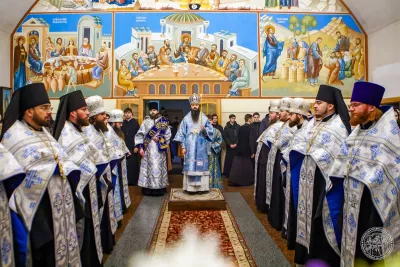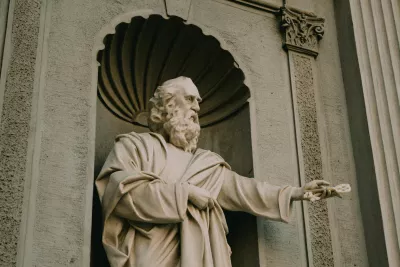

On November 30, Orthodox Christians celebrate a holiday dedicated to the Apostle Andrew the First-Called and Saint Frumentius, Archbishop of India. This holiday, known among people as Andrew's Day, has deep roots in Ukrainian traditions and customs.
History of the Holiday
Andrew the First-Called is one of the closest disciples of Jesus Christ, who was the first to receive a calling from the Savior. In folk tradition, November 30 is also considered a day when believers turn to Saint Andrew with requests for protection, success in marriage, blessings for children, and overcoming life's difficulties.
Traditions and Prohibitions
On this day, Ukrainians adhere to a number of traditions and prohibitions. Among the important points:
- It is forbidden to engage in heavy physical work.
- It is not recommended to sew, knit, or embroider — it is believed that this may invoke the saint's wrath.
- Loud celebrations or arguing are not allowed, as this might lead to prolonged conflicts.
Omens of Andrew's Day
The omens of November 30 help predict the winter weather and the harvest. For example:
- Quiet weather foretells a mild winter.
- Frost on this day promises severe cold.
- Dreams that occur on Andrew's evening are considered prophetic and may predict important changes.
Andrew's Day is not only a time for prayer and tranquility but also an opportunity to remember the traditions that unite Ukrainians. As researchers claim, this date is particularly significant for us, as it reminds us of the cultural heritage of the people.