
Large-Scale Attacks on Infrastructure Caused an Energy Crisis in the Capital
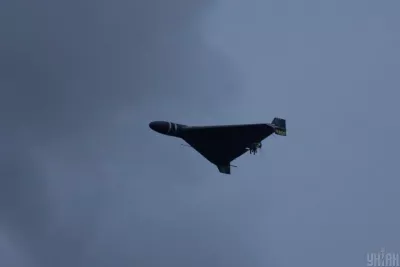
Following powerful Russian missile strikes on January 9, Kyiv found itself in an emergency situation with electricity and heat supply. According to DTEK Kyiv Electrical Networks, over 500,000 consumers were left without electricity.
President Volodymyr Zelensky criticized the actions of the city authorities, stating that Kyiv is prepared much worse than other cities. According to him, the city has done "very little" to overcome the consequences of the attack.
Mayor's Response
Vitaliy Klitschko rejected the accusations, emphasizing that such statements "negate the selfless work of thousands of people". As of January 19, only about 400 out of six thousand houses remained without heat.
Measures Taken
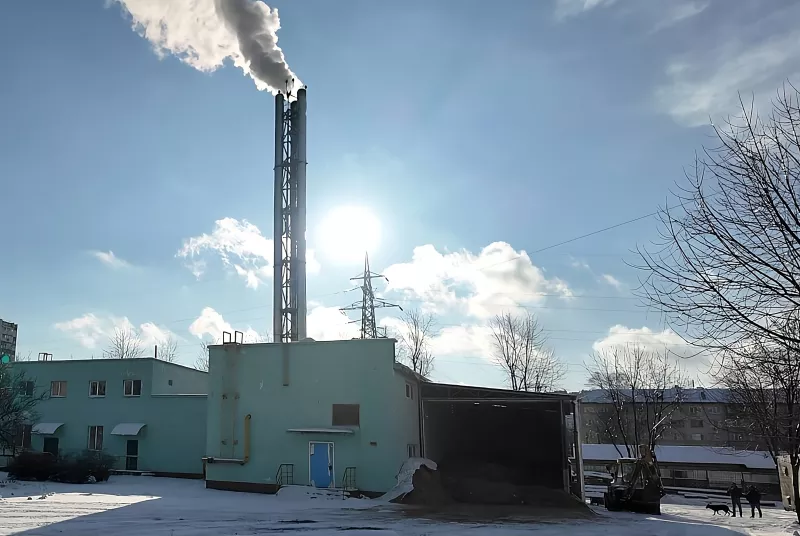
Kyivteploenergo deployed 18 mobile boiler rooms in 13 city hospitals, with a total of 69 mobile boiler rooms at the city authorities' disposal. Electricity is supplied on an hourly basis: power is provided for approximately three hours, after which it may be unavailable for up to ten hours.
The President announced the creation of a permanent headquarters to coordinate the situation in the city and the introduction of an emergency mode in the energy sector.
International Assistance
Poland has started collecting funds for generators for Kyiv, and Italy is preparing to send 78 industrial boilers with a total capacity of 116.5 MW.