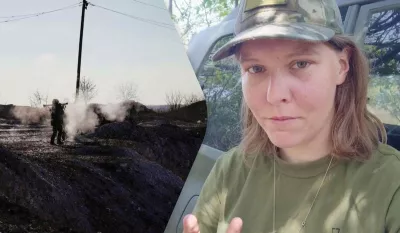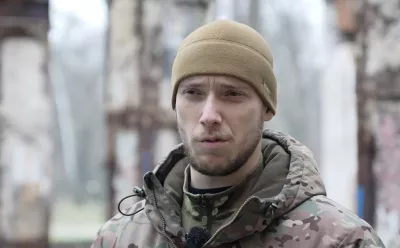

In the Chernihiv region, which is currently facing some of the toughest challenges due to intense Russian attacks, the situation with electricity and heating supply has become critical. Local residents report power outages lasting up to 14 hours a day, causing numerous difficulties in their daily lives.
Recently, one of the key generation blocks in the region was destroyed, complicating the situation further. According to information provided by a representative of "Chernihivoblenergo," Russian troops have deliberately targeted the energy infrastructure, leading to power outages and disruptions in the performance of urgent medical procedures in hospitals. Cancellations of scheduled operations due to a lack of energy are also common.
Difficulties of Daily Life
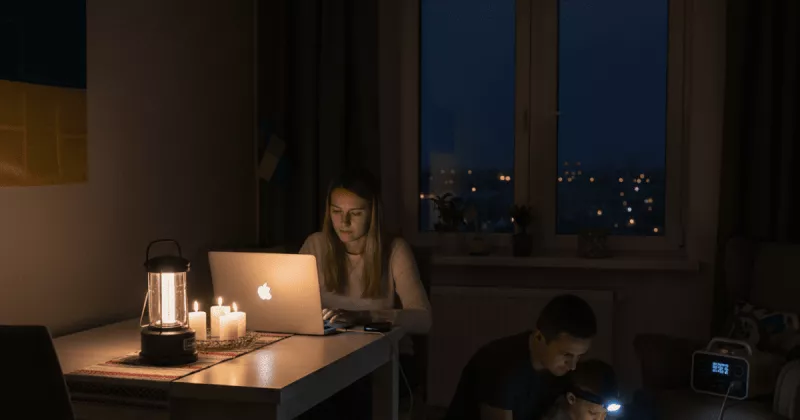
Residents of Chernihiv are forced to use flashlights and find alternative options for heating. Children's education is interrupted due to air raid alarms, and the lack of electricity complicates the planning of household tasks.
“Life in the dark” - this is how local residents describe their reality. Water supply has also become critical, as electric pumps do not operate due to outages. Many people are forced to climb to the upper floors of high-rise buildings without access to water.
Community Response
Volodymyr Pavlenko, head of the Berezhniv community, noted that his community is trying to cope with the challenges and continues to provide all necessary services to the population despite the hardships. He emphasized: “This is not the first shelling that has happened in the community. But despite the difficulties, the community is working.” The heating season, as Pavlenko notes, started steadily, with generators and fuel available for heating homes.
This situation has become an obvious consequence of Russia's military aggression, which aims to create conditions where the civilian population experiences a shortage of energy resources. “This is deliberate genocide against peaceful people,” stressed a representative of the energy company.
The Chernihiv region, together with other affected areas, is ready to fight the consequences of the war, but it urgently needs support from the state and international partners.