
What the Feast of Three Holy Fathers Means
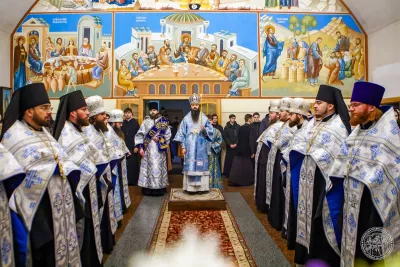
On January 30th, Eastern Christians celebrate the Cathedral of the Three Holy Fathers – an important church holiday honoring Basil the Great, John Chrysostom, and Gregory the Theologian. This is a day of special commemoration of three outstanding church leaders who made an enormous contribution to the formation of Christian theological thought.
History of the Holiday's Origin
The tradition of celebration began in the 11th century, when disputes arose in Constantinople about the primacy among the three holy fathers. According to legend, Metropolitan John of Euchaita was visited in a dream by the saints, who informed him that they are equal before God and their memory should be honored on the same day.
Who Are the Three Holy Fathers
Basil the Great was an outstanding church leader, theologian, and preacher, known for his charity and church life reforms. Gregory the Theologian was a brilliant orator and theologian who made a significant contribution to the development of Christian theological thought. John Chrysostom was a famous preacher, author of numerous liturgical texts, who received his nickname for his eloquence.
Traditions and Prohibitions of the Day
On the Day of the Three Holy Fathers, it is customary to:
- Visit church and pray
- Gather with family
- Avoid conflicts and harsh language
Folk traditions forbid on this day:
- Spinning yarn
- Going to the forest
- Performing heavy physical labor
- Wearing red clothing
Spiritual Significance of the Holiday
The Cathedral of the Three Holy Fathers is a day of spiritual purification, reconciliation, and return to higher moral values. Believers ask the saints for patronage, patience, courage, and blessing.