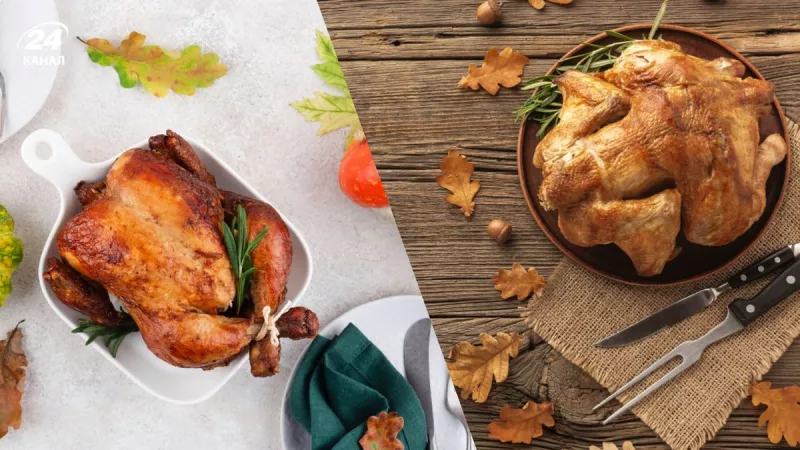

The national holiday of Thanksgiving celebrated in the USA has become an integral part of American culture. Traditionally, on this day, Americans gather around a large table where a roasted turkey takes center stage. But why did this particular bird become the main symbol of the holiday?
Historical roots of the holiday
Thanksgiving is considered a holiday that symbolizes gratitude for the generosity of nature. It is traditionally associated with the first shared celebration of the Pilgrims and the indigenous people of America, the Wampanoag tribe. However, despite the long-standing traditions of the holiday in the USA, it is important to remember that turkey was not present at that first meal in 1621.
Why turkey was chosen
In modern culture, the idea of consuming turkey at the holiday is influenced by several factors:
- Availability: Turkeys are plentiful in the USA, especially in northern Maine, where they can be seen everywhere.
- Size: They are large enough to feed a big family gathering for the holiday.
- Seasonality: Turkeys reach their ideal weight in the fall, becoming available to farmers during these days.
Celebration traditions
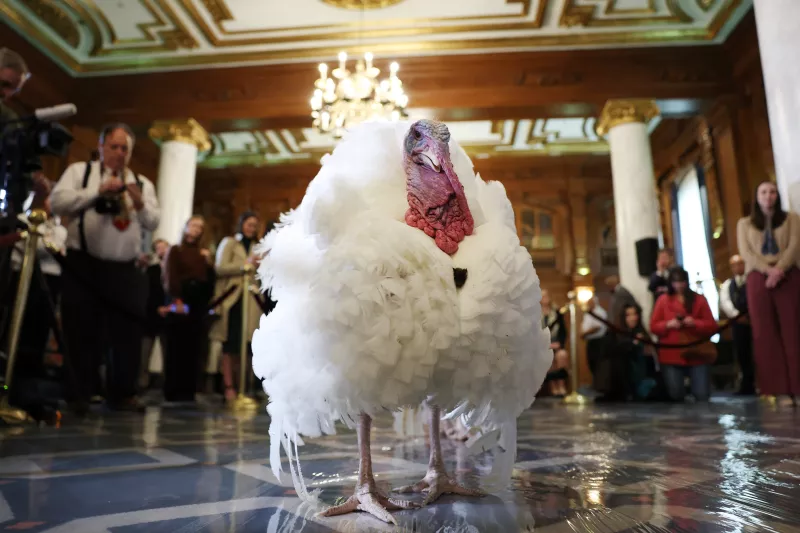
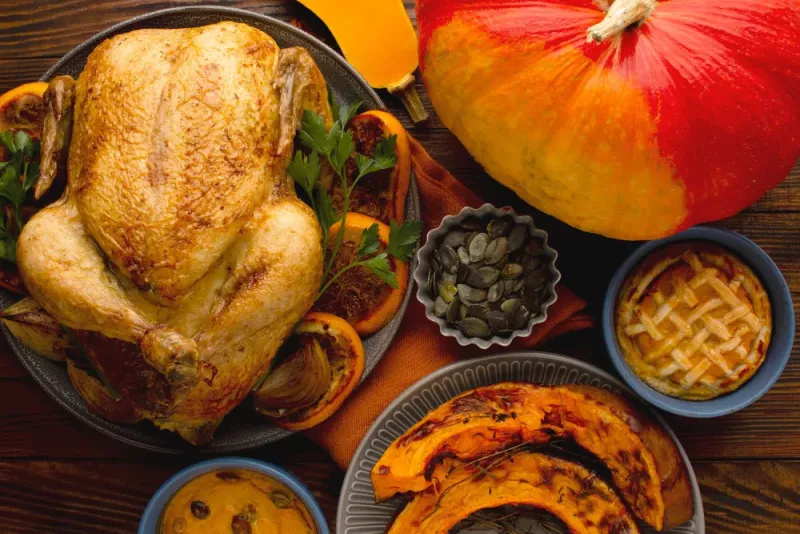
Besides roasted turkey, Americans also prepare mashed potatoes, cranberry sauce, and pies. Before the meal begins, families typically offer a prayer or express gratitude. Each year, a popular ceremony known as the "pardon of the turkey" takes place, where the President of the USA selects one turkey that will avoid ending up on the holiday table.
Modern realities of the holiday
However, the holiday is not just about food. It is also a moment of unity for people to give thanks for family, friends, and well-being. Many citizens of the USA organize free meals for those in need, celebrating the spirit of generosity and kindness.
Thus, Thanksgiving in the USA has become a truly symbolic holiday that brings people together around a shared table, encouraging them to be grateful for all they have.