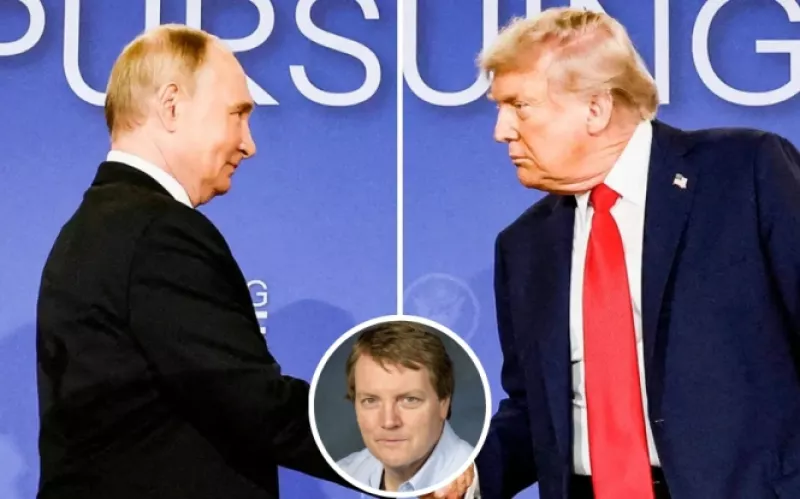
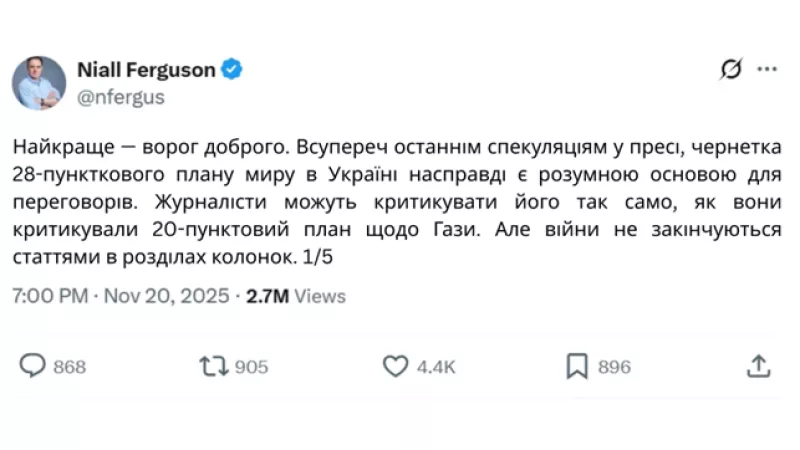
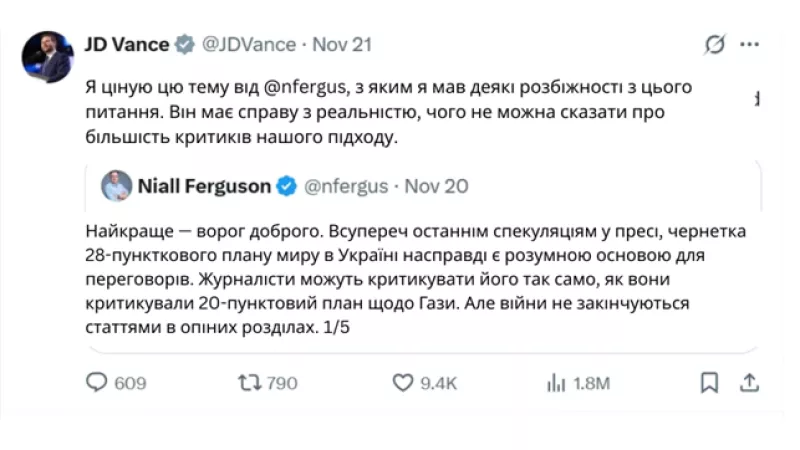
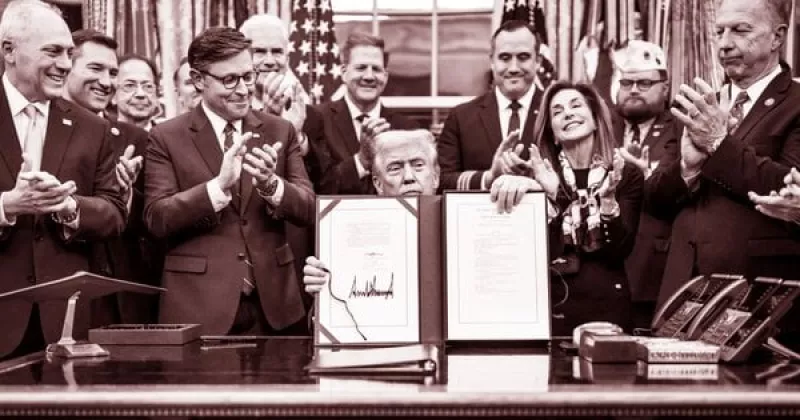
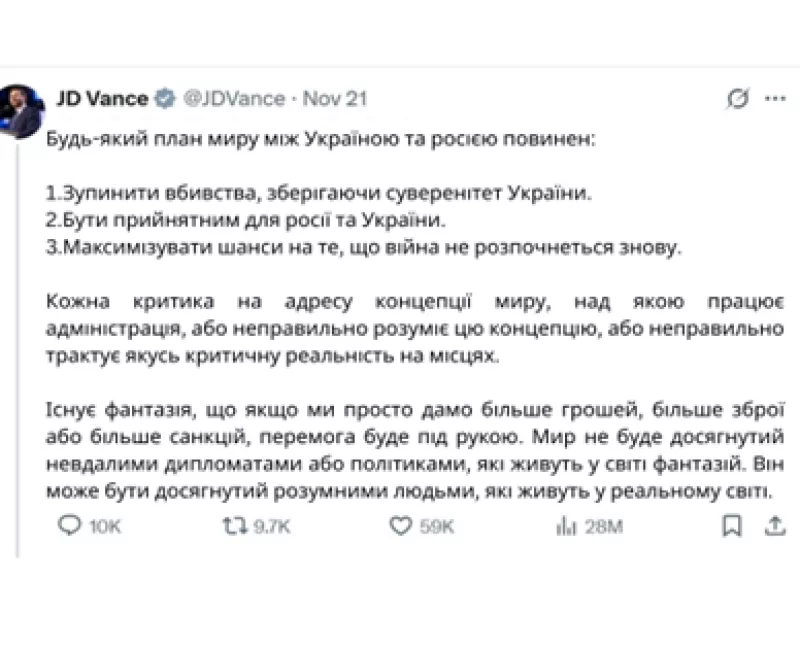

The negotiations surrounding the peace plan of US President Donald Trump continue. Currently, the proposed 28 points that undermine Ukrainian sovereignty are becoming the basis for international negotiations. According to experts, this plan significantly worsens Kyiv's position in the negotiation process, as it entails substantial territorial concessions in favor of Russia.
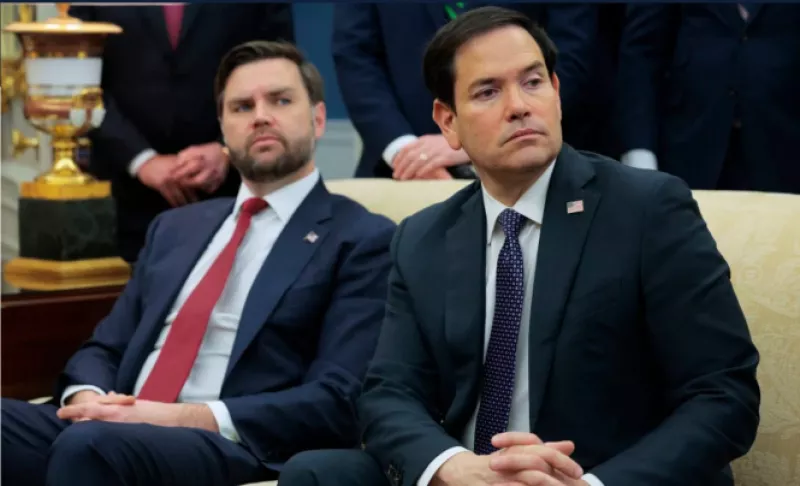
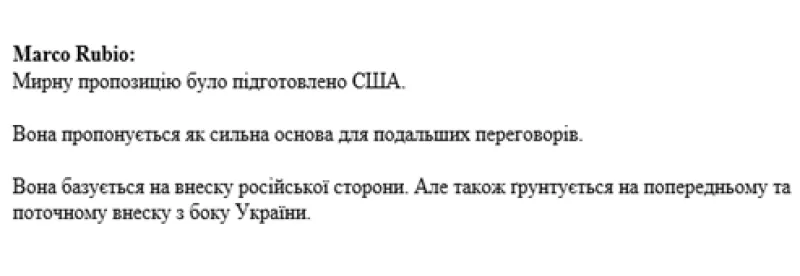
The first details of the peace plan emerged in the media, triggering a wave of criticism from political analysts. They emphasize that the content of the agreement reflects not only the position of the US but also the demands of the Kremlin, thus appearing as a wishlist of the Russian side. Notable politicians, including Senator Marco Rubio, in their statements seek to distance themselves from the document, stressing that it does not represent the position of the US administration.
Essence of Trump's peace plan
The essence of the peace plan boils down to several key points that raise serious objections:
- Confirmation of Ukraine's sovereignty, but with a demand to limit its Armed Forces to 600,000 personnel.
- A ban on Ukraine's NATO membership and any deployment of foreign troops on its territory.
- A proposal to hold elections in Ukraine 100 days after the signing of the agreement.
Reaction from Ukraine
Ukrainian President Volodymyr Zelensky, upon receiving the plan, tried to refrain from criticism, but he will need to make difficult decisions. Experts say that if Ukraine refuses to sign the agreement, it could lose important support from the US, particularly in the military sphere.
Is peace really possible?
According to political analyst Vitaly Portnikov, President Putin has no intention of signing any peace agreements, as his strategy is oriented towards continuing the conflict. However, the international community should seek ways to achieve stability in the region, leaving options open for peaceful negotiations.
Thus, the prospects for the implementation of Trump's plan remain ambiguous, and Ukraine's further steps are in great question.