
Currently, college athletes remain prohibited from betting on professional sports, following the decision of the majority of NCAA Division I schools to withdraw the proposal to change the rules. This directive went into effect after 241 schools filed documents to cancel the scheduled change, which was set to take effect on November 1.
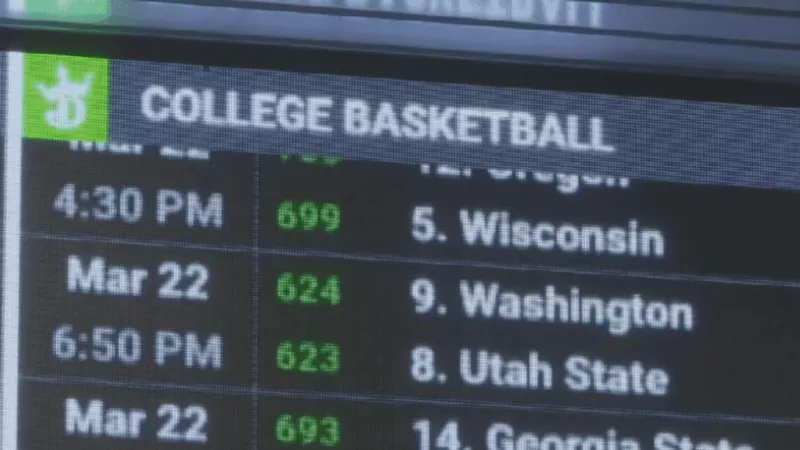
Since the NCAA has long banned gambling in the sports for which it conducts championships, the purpose of this directive was to prevent any actions that could compromise the integrity of the game. According to the NCAA, there is a risk that student-athletes could receive confidential information that might compromise them. Despite the growing legalization of sports betting in the U.S., which is already available in 38 states, athletes were to remain outside such agreements.
Details of the proposal cancellation
A representative from the NCAA pointed out that achieving two-thirds of the votes was required to cancel the proposal, and this happened at the last minute, as 30 days were given for preparing for the vote. As a result, the ban on all forms of betting will be maintained across all three divisions of the NCAA.
Impact on athletes
This decision also became part of a larger issue surrounding gambling in sports. Recently, according to NCAA data, 36% of Division I students experienced harassment on social media from angry bettors. Furthermore, several student-athletes have been penalized for violating the gambling prohibition, including former Temple University player Heizer Miller, who was banned for attending bets on his team's games.
Concerns about gambling
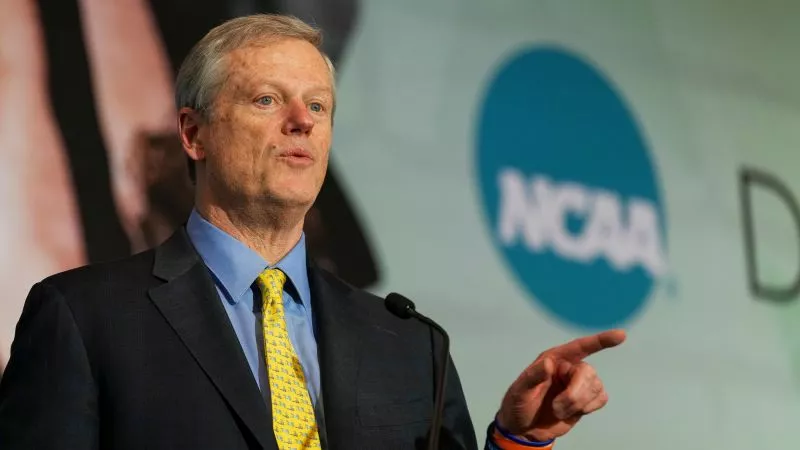
The NCAA leadership confirmed that they strongly support the proposal that reduces the likelihood of manipulation of match results, while the U.S. is actively seeking new ways to legislate gambling regulation. Legislators, particularly Congressman Paul Tonko, insist on balancing the protection of players and maintaining the integrity of sports amidst the rapid growth of the gambling industry.
Despite attempts to change the policy, support for the betting ban remains a strong signal from the NCAA regarding the importance of ensuring the purity of collegiate sports.