
The Justice Department's recent release of thousands of Jeffrey Epstein investigation documents has sparked intense political debate, with critics alleging selective disclosure and Trump administration officials defending their transparency efforts amid mounting "deep state" accusations.
Controversial Document Release Timing
Following the passage of the bipartisan "Epstein Files Transparency Act" in November, the DOJ has been compelled to release all Epstein-related materials. However, the staggered release has drawn criticism from both Democrats and Republicans, with some alleging the timing and content selection serves political purposes.
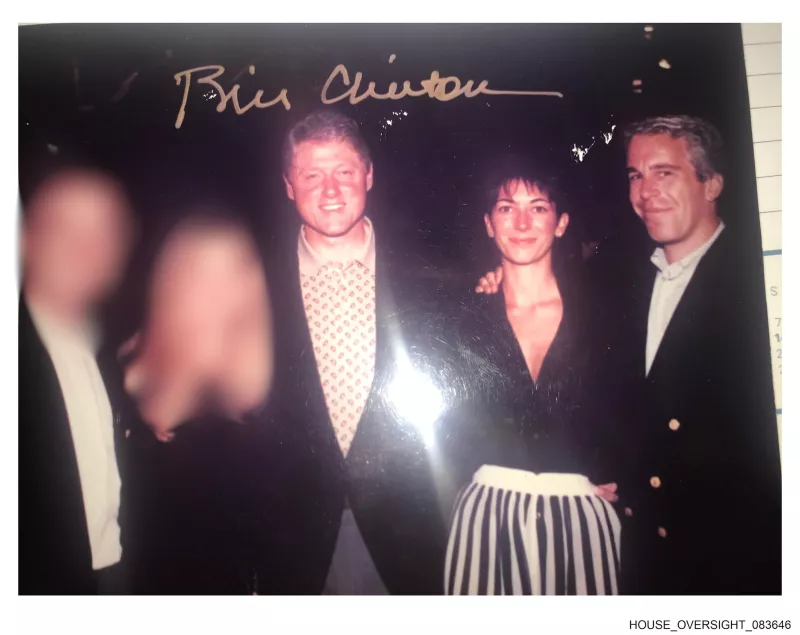
The initial Friday release contained numerous photographs of former President Bill Clinton with Epstein, while documents mentioning President Trump were notably sparse. This pattern reversed dramatically in subsequent releases, which included extensive references to Trump's connections with the convicted sex offender.
Clinton Camp Demands Full Disclosure
Bill Clinton's spokesperson Angel Ureña has accused the DOJ of selective releases designed to "imply wrongdoing about individuals who have already been repeatedly cleared." In a strongly-worded statement, Ureña called for immediate release of all remaining Clinton-related materials, stating: "Someone or something is being protected. We do not know whom, what or why. But we do know this: We need no such protection."
Trump Documents Surface in Second Wave
The second major document release revealed significantly more Trump-related materials, including:
- A 2021 subpoena to Mar-a-Lago Club seeking employment records related to the Maxwell investigation
- Flight records showing Trump traveled on Epstein's private jet "many more times than previously reported," including at least eight flights between 1993 and 1996
- A controversial handwritten letter allegedly from Epstein to convicted sex offender Larry Nassar making crude references to "our president"
The Justice Department has characterized some claims in the documents as "untrue and sensationalist," stating they are "unfounded and false" but releasing them "out of our commitment to the law and transparency."
Deep State Allegations Intensify
The handling of the Epstein files has fueled broader "deep state" conspiracy theories, with critics from both parties questioning the DOJ's motives. Republican lawmakers have accused the department of not fully complying with Congressional mandates, while Democrats suggest the releases are timed to benefit Trump politically.
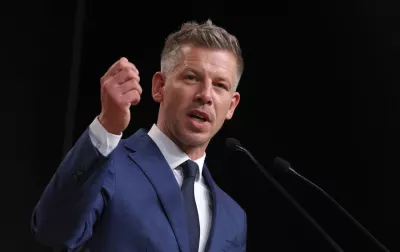
Rep. Thomas Massie, who led efforts to force the files' release, told CNN that the DOJ was "not complying with the law Congress passed," citing excessive redactions and delayed releases.
Victim Protection Concerns
Deputy Attorney General Todd Blanche defended the department's approach, emphasizing victim protection as the primary concern. However, several Epstein survivors have reported seeing their names inadequately redacted in public documents, while others remain completely blacked out.
Attorney Gloria Allred, representing multiple Epstein victims, has criticized both "over-redacting" and "under-redacting" in the released materials, highlighting the complex balance between transparency and victim protection.
Political Implications
President Trump has expressed mixed reactions to the releases, stating he "hated" seeing photos of Clinton but acknowledged that "everybody was friendly with this guy" during Epstein's prominence in Palm Beach social circles. Trump has consistently denied knowledge of Epstein's criminal activities and claims he banned Epstein from Mar-a-Lago years before the financier's 2019 death.
The controversy continues as the DOJ processes thousands of remaining documents, with both transparency advocates and those mentioned in the files calling for either complete disclosure or better victim protection measures.