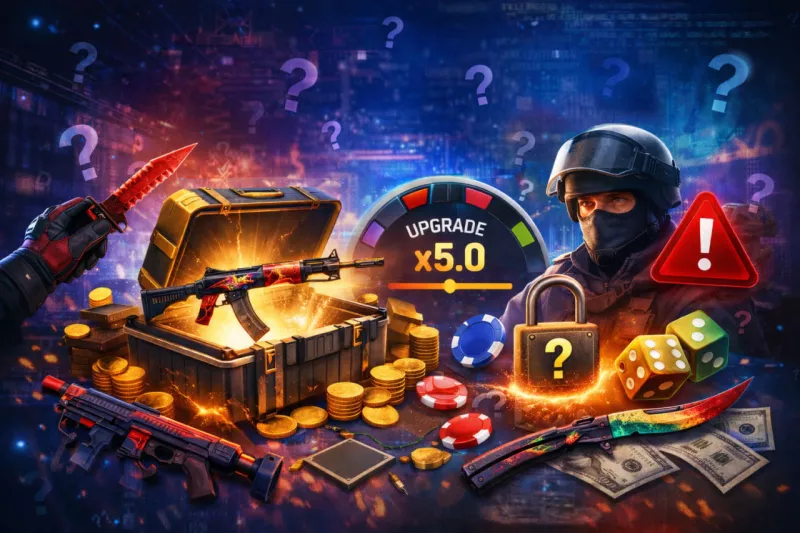
The release of Counter-Strike 2 brought not only upgraded graphics and refined gameplay mechanics but also a revolution in the cosmetic items system. Virtual weapon skins have evolved from simple decorative elements into a full-fledged economic phenomenon that shapes gaming culture and player behavior. Understanding this transformation reveals how digital aesthetics became one of the most valuable aspects of modern competitive gaming.
From Simple Textures to Digital Assets
When Valve introduced weapon skins to Counter-Strike: Global Offensive in 2013, few could predict the massive impact this feature would have on the gaming industry. Initially designed as cosmetic upgrades with no gameplay advantages, skins quickly became status symbols within the community. Players started collecting rare patterns, unusual wear levels, and limited edition designs. The transition to CS2 has only amplified this trend, with improved graphics making weapon finishes more detailed and visually stunning than ever before.
The current marketplace for cs2 skins demonstrates how virtual items can hold real-world value. Platforms like CaseLover have emerged to facilitate safe trading and acquisition of these digital collectibles, offering players diverse options from budget-friendly skins to ultra-rare masterpieces. The rarity system—ranging from Consumer Grade to Exceedingly Rare—creates a hierarchy that mirrors traditional collecting markets, where scarcity directly influences desirability and price.
What makes CS2 skins particularly fascinating is their permanence and transferability. Unlike cosmetics in many other games that remain locked to accounts, Counter-Strike skins can be traded, sold, or gifted. This liquidity has created an entire ecosystem of traders, investors, and collectors who view these items as legitimate assets. Some rare skins have sold for tens of thousands of dollars, validating the economic significance of what skeptics once dismissed as mere pixels.
The Psychology Behind Skin Collection
Understanding why players invest heavily in CS2 skins requires examining the psychological factors at play. Personalization serves as the primary driver—customizing weapons allows players to express individual style and stand out in matches. A distinctive inventory signals dedication to the game and often correlates with skill level in the community's perception, whether accurate or not.
The thrill of unboxing cases taps into the same reward mechanisms that make gambling appealing. Opening a case creates suspense and anticipation, with the possibility of receiving a rare item triggering dopamine release. This random reward system keeps players engaged and willing to purchase keys, despite knowing the odds favor common items. Valve has mastered this formula, creating a self-sustaining economy where case openings fund ongoing game development while providing entertainment value.
Social factors also play a crucial role. In competitive environments, having premium skins can influence team dynamics and opponent perceptions. Players report feeling more confident when using aesthetically pleasing weapons, even though skins provide zero statistical advantages. This placebo effect demonstrates how digital items can impact real gameplay experiences through psychological means rather than mechanical changes.
Economic Impact and Market Dynamics
The CS2 skin economy operates on principles similar to traditional markets, with supply, demand, and speculation driving prices. Newly released collections often see initial price spikes as collectors rush to acquire the latest designs. Over time, prices stabilize based on actual rarity and community preferences. Certain patterns or float values can dramatically increase an item's worth—a Factory New StatTrak knife with a rare pattern might cost hundreds or thousands of dollars more than its standard counterpart.
Third-party marketplaces have professionalized skin trading, offering features like price tracking, investment portfolios, and automated trading bots. These platforms provide liquidity that the official Steam Market sometimes lacks, though they introduce additional risks regarding fraud and scams. Reputable services implement verification systems and escrow services to protect both buyers and sellers, making transactions safer than direct peer-to-peer trading.
The investment potential of CS2 skins has attracted individuals who never play the game seriously. They purchase items anticipated to appreciate in value, particularly those from discontinued cases or operations. This speculation adds another layer to the market, sometimes creating artificial scarcity or price bubbles. However, long-term trends show that genuinely rare, visually appealing skins tend to maintain or increase value, especially as the player base grows.
Conclusion
CS2 skins represent far more than simple cosmetic additions to a video game. They've created a vibrant economy, influenced player psychology, and established new paradigms for how digital items can hold tangible value. As gaming continues evolving, the success of Counter-Strike's skin system will likely inspire similar implementations across other titles. Whether viewed as collectibles, investments, or personal expression tools, these virtual items have permanently altered the landscape of competitive gaming. The phenomenon demonstrates that in digital spaces, perception and community consensus can transform intangible assets into valuable commodities with real-world implications.